

Bright Rash Guards for Toddlers: A Complete 2026 Guide
Table of Contents
- Why Bright Rash Guards Matter for Toddler Water Safety
- Understanding UPF 50+ Toddler Swimwear Protection
- High-Visibility Toddler Swim Shirts: The Safety Advantage
- How to Choose Toddler Swimwear: Key Factors
- Top Bright Rash Guard Styles for Toddlers
- Neon Fabric Care and Maintenance
- Sustainability in Neon Swimwear
- Conclusion
Bright Rash Guards for Toddlers: A Complete 2026 Guide
Last Updated: June 27, 2026
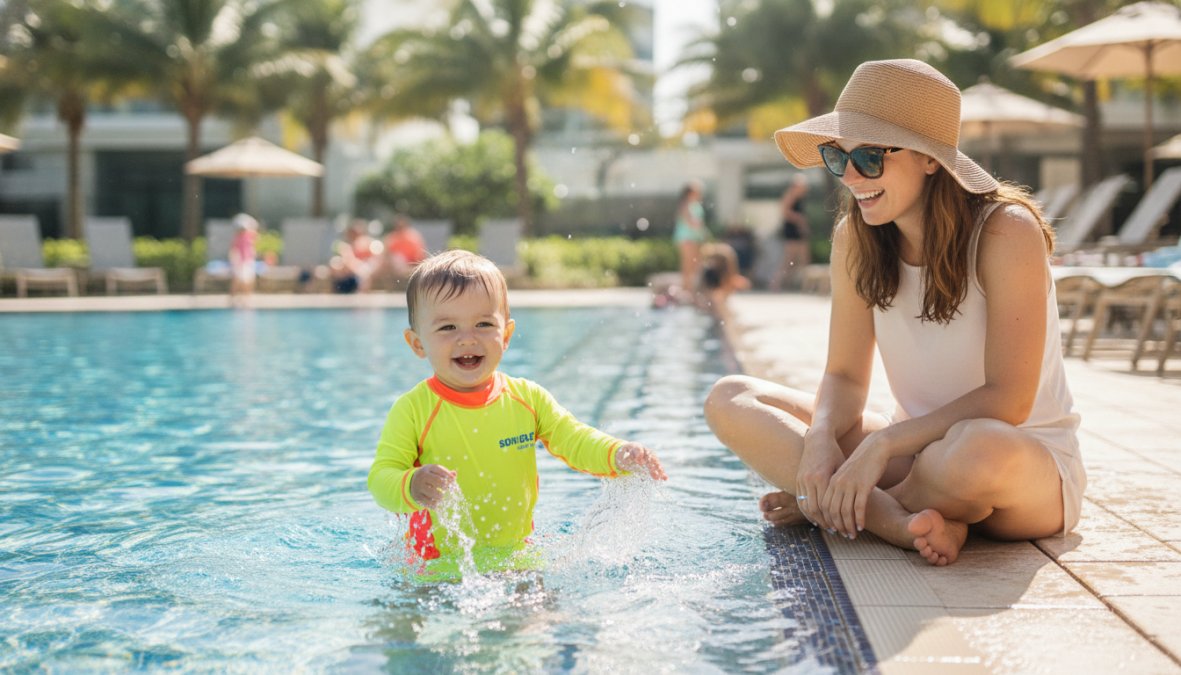
When you're watching your toddler in the water, visibility isn't just a feature, it's peace of mind. Bright rash guards for toddlers have become essential gear for parents who want their little ones spotted instantly by lifeguards and caregivers. At Bright & Bold Swimwear, we understand that keeping children visible in water environments directly reduces drowning risk, which remains a leading cause of unintentional injury for young children. This guide covers everything you need to know about selecting, caring for, and maximizing the protection that bright rash guards for toddlers provide.
Why Bright Rash Guards Matter for Toddler Water Safety
High-visibility swimwear serves a critical purpose beyond fashion. Bright colors, neon yellows, hot pinks, electric blues, and vivid oranges, create visual contrast against water, pool tiles, and surrounding environments that makes spotting a child instantaneous. Lifeguards at public pools specifically train to scan for high-visibility clothing because it cuts response time dramatically.
Drowning happens silently and quickly. A child in distress doesn't always call for help or thrash visibly. When your toddler wears bright rash guards, the color does the communication for you. The difference between a child wearing muted colors and one in neon can literally mean the difference between a safe outcome and tragedy.
Beyond visibility, rash guards protect developing skin from sun damage. Toddler skin is significantly more sensitive than adult skin, and UV exposure during early childhood increases melanoma risk later in life. A quality rash guard with UPF protection creates a physical barrier that sunscreen alone cannot match. Bright rash guards for toddlers represent the intersection of safety and sun protection.
Understanding UPF 50+ Toddler Swimwear Protection
UPF ratings measure how effectively fabric blocks ultraviolet radiation. UPF 50+ means the fabric allows only 1/50th of the sun's UV rays to penetrate, blocking 98% of UVA and UVB radiation. For toddlers, whose skin has minimal melanin protection, this level of coverage is the gold standard.
How UPF Ratings Work
UPF protection operates through two mechanisms: fabric density and fiber composition. Tightly woven synthetic fibers reflect and absorb UV rays before they reach skin. A UPF 50+ rating means the fabric has been tested and verified to block at least 98% of both UVA and UVB rays.
The rating applies to the fabric itself, not the fit or coverage area. A UPF 50+ rash guard provides that protection level only on the areas it covers. Exposed skin, neck, wrists, and ankles still require sunscreen or additional coverage. Pairing a rash guard with quality sunscreen and a swim hat creates comprehensive sun defense for toddlers.
UVA/UVB Ray Defense
UVA rays penetrate deeply into skin and contribute to premature aging and skin cancer risk. UVB rays cause visible sunburn. Both are dangerous, and both require blocking. A quality UPF 50+ rash guard blocks nearly all of each type.
UV rays penetrate clouds, and water reflects UV radiation upward, intensifying exposure. A toddler in a rash guard during a cloudy beach day still receives meaningful protection.
High-Visibility Toddler Swim Shirts: The Safety Advantage
Research from aquatic safety organizations consistently shows that bright-colored swimwear significantly improves spotting time in emergency situations. A toddler in a neon rash guard is visible from greater distances and in more challenging lighting conditions than a child in traditional pastels or muted tones.
Why Color Matters for Water Safety
Color visibility depends on contrast. Water is blue-green, pool tiles are often white or light blue. Neon colors create maximum contrast against these common backgrounds. A bright yellow rash guard stands out against blue water. Hot pink becomes impossible to miss against white pool decking.
Lifeguards develop scanning patterns looking for movement and color anomalies. When your toddler wears a bright rash guard, they become the visual anomaly that catches attention immediately. In group settings and public pools, this visibility advantage is critical.
Neon Color Theory and Skin Tone Matching
Selecting a bright rash guard that complements your toddler's complexion ensures the visibility benefit while keeping your child comfortable and confident.
For toddlers with warm undertones (golden, olive, or tan skin), neon orange, hot pink, and electric lime create striking contrast and flattering appearance. For toddlers with cool undertones (fair or pink-toned skin), neon blue, electric purple, and bright cyan provide excellent visibility while complementing cooler complexions.
Regardless of undertone, the brightness level matters most. A truly neon color will be visible regardless of skin tone. Test visibility by viewing the rash guard in actual pool or beach conditions before purchasing.
How to Choose Toddler Swimwear: Key Factors
Selecting the right rash guard requires balancing visibility, protection, comfort, fit, and durability. Each factor influences how often your toddler will actually wear the garment and how well it performs over time.
Fit, Comfort, and Adjustable Straps
A rash guard that doesn't fit properly won't stay in place during active play. For toddlers, fit must account for rapid growth and freedom of movement. Look for adjustable straps that accommodate shoulder width changes and ensure the garment stays positioned correctly during swimming.
The fabric should feel soft against sensitive skin without restricting arm movement. Flat seams prevent chafing during extended wear. A rash guard that rides up during activity leaves vulnerable skin exposed. Look for designs that extend to mid-thigh, providing coverage for the torso and upper legs.
Quick-Drying Fabric Technology
Toddlers often move between water and dry time throughout the day. A rash guard that stays wet becomes uncomfortable and increases evaporative cooling. Modern quick-drying fabrics use synthetic fibers that shed water rapidly and dry to the touch within 30-45 minutes.
Polyester-based fabrics dry faster than cotton blends. Nylon and spandex combinations offer both quick-drying properties and stretch comfort. A quality quick-drying rash guard allows your toddler to transition from water play to dry activities without extended discomfort.
Chlorine Resistance and Durability
Chlorine degrades fabric, fading colors and breaking down elastic fibers. A rash guard intended for frequent pool use must resist chlorine damage. Double-stitched seams hold up better than single stitching. Reinforced stress points at armholes, neckline, and hem prevent tearing during active play. A well-constructed rash guard maintains its shape, color, and fit through an entire summer of regular use.
Factor |
What to Look For |
Why It Matters |
|---|---|---|
Fit & Straps |
Adjustable, non-restrictive, flat seams |
Ensures consistent wear and prevents chafing |
Quick-Drying |
Polyester or nylon blend, lightweight |
Reduces discomfort and cold between water sessions |
Chlorine Resistance |
Special treatment or synthetic fibers |
Maintains color and elasticity through frequent pool use |
Visibility |
Solid neon color, high brightness |
Maximizes spotting time in water emergencies |
UPF Rating |
UPF 50+ coverage |
Blocks 98% of UV radiation for skin protection |
Top Bright Rash Guard Styles for Toddlers
The market offers diverse options for bright rash guards, each suited to different preferences and water environments.
Short-Sleeve and Long-Sleeve Options
Short-sleeve rash guards provide maximum mobility and are ideal for toddlers who dislike restriction or get warm easily. They cover the torso and upper arms while leaving forearms and hands free. Short-sleeve designs work well for warm-weather water play.
Long-sleeve rash guards extend coverage to the wrists, protecting the forearms and hands from sun exposure. They're particularly valuable for toddlers with sensitive skin or those prone to sunburn. Many families purchase both styles, selecting based on the specific water environment and season.
One-Piece and Two-Piece Neon Swim Sets
One-piece rash guards combine a shirt with integrated shorts, providing complete torso and leg coverage in a single garment. They simplify dressing and eliminate gaps where sun exposure can occur. One-piece designs work well for younger toddlers (18 months to 2 years).
Two-piece neon swim sets separate the rash guard top from swim shorts, allowing mix-and-match combinations and easier diaper changes. Two-piece designs offer flexibility and feel more age-appropriate for older toddlers (2-4 years). The separation also makes bathroom breaks more manageable. Bright & Bold Swimwear offers a range of boys swimsuits and girls swimsuits in both styles, so you can find the perfect combination for your child's needs.
Neon Fabric Care and Maintenance
A quality rash guard represents an investment in your toddler's safety and sun protection. Proper care extends the garment's lifespan and maintains the bright colors that make it effective.
Washing and Storage Tips
Rinse the rash guard with fresh water immediately after pool or beach use. Chlorine and salt water damage fabric if left to dry on the garment. Wash in cool water with mild detergent designed for synthetic fabrics. Avoid bleach and fabric softeners, which damage UV-protective coatings. Air dry completely before storing.
Store in a cool, dry location away from direct sunlight. Sunlight exposure degrades colors even when the garment isn't being worn. A drawer or closet provides ideal storage conditions.
Extending the Life of Vibrant Colors
Neon colors fade faster than traditional dyes, particularly with chlorine and UV exposure. Limit sun exposure when not in water. Dry the rash guard in shade rather than direct sunlight. Consider using color-safe detergents specifically formulated to preserve bright dyes. For families planning to use the same rash guard for multiple children or seasons, this investment pays dividends.
Sustainability in Neon Swimwear
As awareness of environmental impact grows, many families consider sustainability when selecting children's clothing. Recycled polyester and nylon fabrics reduce reliance on virgin petroleum products while maintaining the quick-drying and durable properties essential for rash guards. Some manufacturers use recycled ocean plastics, transforming environmental waste into functional swimwear.
Sustainable rash guards often feature the same UPF protection and bright neon colors as conventional options. Durability itself represents sustainability. A rash guard that lasts multiple seasons or passes to younger siblings reduces overall consumption compared to replacing low-quality garments annually.
Keeping your toddler safe in water requires visibility, sun protection, and comfort, three elements that quality bright rash guards for toddlers deliver simultaneously. Bright & Bold Swimwear designs high-visibility swimwear specifically to help parents and lifeguards keep a close eye on little ones in the water, reducing drowning risk through instant spotting. With UPF 50+ protection on select items, adjustable straps for growing toddlers, and vibrant neon colors that stand out against water and pool environments, you gain peace of mind that your child is both protected and visible. Explore Bright & Bold Swimwear's range of rash guards and swim accessories to find the perfect fit for your family's water time.
Frequently Asked Questions
Why are bright colored rash guards better for toddlers?
Bright rash guards, especially in neon colors, make toddlers highly visible in water—a critical safety feature that helps parents and lifeguards quickly spot children. High-visibility swimwear reduces the risk of drowning by ensuring your little one remains easy to see, whether in a pool, ocean, or water park. Bright colors also add a fun, playful element that toddlers enjoy while providing essential water safety protection.
What UPF rating should I look for in a toddler rash guard?
Look for rash guards with UPF 50+ protection, which blocks approximately 98% of UVA and UVB rays. This rating provides excellent sun protection for extended water play and outdoor activities. Many quality toddler rash guards offer UPF 50+ technology, ensuring your child's delicate skin is well-protected during summer swimming and beach days.
How do I choose the right size rash guard for my toddler?
When choosing toddler swimwear, measure your child's chest and compare it to the brand's sizing chart. The rash guard should fit snugly but comfortably—not so tight that it restricts movement or so loose that it rides up. Look for adjustable straps and features like removable padding for growing room. A proper fit ensures both comfort during water play and optimal sun protection coverage.
Are long-sleeve or short-sleeve rash guards better for toddlers?
Both styles offer benefits. Long-sleeve rash guards provide maximum UVA/UVB ray coverage and are ideal for extended sun exposure or sensitive skin. Short-sleeve options offer greater mobility and comfort for active toddlers. Many parents choose long-sleeve for beach days and short-sleeve for pool play. Consider your climate, water temperature, and your toddler's activity level when deciding which works best for your family.
This article was written using GrandRanker