

Make Your Own Swimsuit Guide: Design Like a Pro in 2026
Imagine stepping onto the beach in 2026 wearing a swimsuit that is truly one of a kind, tailored exactly to your vision and body. The rise of custom swimwear has empowered countless individuals to express themselves and embrace creative freedom, making the decision to make your own swimsuit more popular than ever.
This guide is designed to help you make your own swimsuit like a professional, no matter your experience level. Our goal is to demystify the entire process with expert advice, the latest tools, and insight into future swimwear trends.
You will discover how to find inspiration, select materials, master fit, construct your suit step by step, personalize every detail, and embrace sustainability. Ready to stand out at the pool or beach? Dive in and unlock the secrets to designing your dream swimsuit with confidence and ease.
Step 1: Inspiration & Planning Your Swimsuit Design
Designing swimwear in 2026 is about more than fabric and thread. The power to make your own swimsuit means embracing innovation, expressing your identity, and crafting a garment that fits your lifestyle perfectly. Let’s break down the planning process into clear, actionable steps so you can confidently move from inspiration to a finished design.
Understanding 2026 Swimwear Trends
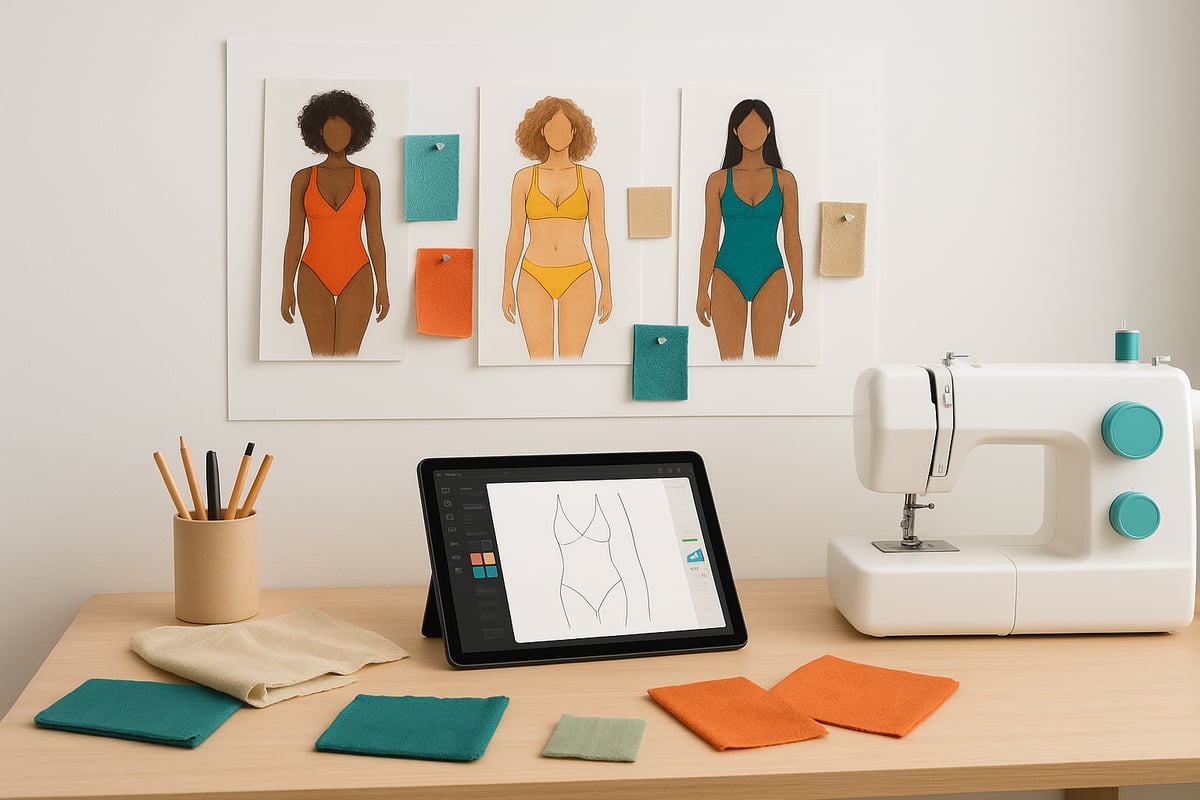
Swimwear in 2026 is defined by sustainability, technology, and individuality. Eco-friendly fabrics like recycled nylon and innovative blends are mainstream. Designers are showcasing bold prints, UV-reactive colors, and inclusive sizing. AI-driven design tools empower anyone to make their own swimsuit, regardless of experience. According to Statista (2025), 70% of Gen Z shoppers now seek personalized fashion. Popular styles include high-waisted bikinis, asymmetrical cuts, and smart swimwear with integrated tech. For a deeper dive into the latest fabrics and styles, explore the 2026 Swimwear Trends: Colors, Styles & Fabrics guide for fresh inspiration.
Defining Your Style and Purpose
Before you make your own swimsuit, clarify its purpose. Will it be for athletic performance, lounging, sun protection, or making a bold statement? Consider questions like: What activities will you do? Which features matter most (support, coverage, quick-dry)? For multifunctional needs, look at convertible designs that transition from swim to sport. Outlining your intentions at this stage ensures your final creation suits your everyday life and stands out with confidence.
Sketching and Mood Boarding
Visualizing your ideas is a critical step when you make your own swimsuit. Start with simple sketches, either on paper or using digital tools like Procreate or Adobe Fresco. Don’t worry about being an artist—focus on capturing shape and key details. Next, assemble a mood board. Platforms like Canva and Pinterest make it easy to collect runway looks, social media inspiration, and vintage swimwear references. This collage will guide your color, pattern, and style choices.
Planning for Body Positivity & Inclusivity
When you make your own swimsuit, designing for body positivity is essential. Embrace the diversity of body shapes by using resources like 3D scanning apps, which help tailor fit for all sizes. Many leading brands now offer extended sizing, proving that every body deserves comfort and style. Consider adjustable features and supportive elements to ensure your swimsuit feels as good as it looks. Remember, inclusivity is a pillar of modern swimwear design.
Budgeting & Timeline
Planning your budget and timeline is crucial when you make your own swimsuit. DIY options can be cost-effective, typically ranging from $40–$120 for materials, compared to $150–$300 for custom-ordered suits. Map out a timeline: one week for inspiration and sketching, another for sourcing materials, and two weeks for construction and fitting. Prioritize quality where it matters—invest in durable fabric and hardware, but balance this with your available time and resources for the best outcome.
Step 2: Choosing Materials & Tools for Modern Swimsuits
Selecting the right materials and tools is essential when you set out to make your own swimsuit. This step defines the suit’s comfort, durability, and style. With so many innovations in 2026, it is easier than ever to craft a professional-quality piece at home.
Fabric Selection: Function Meets Fashion
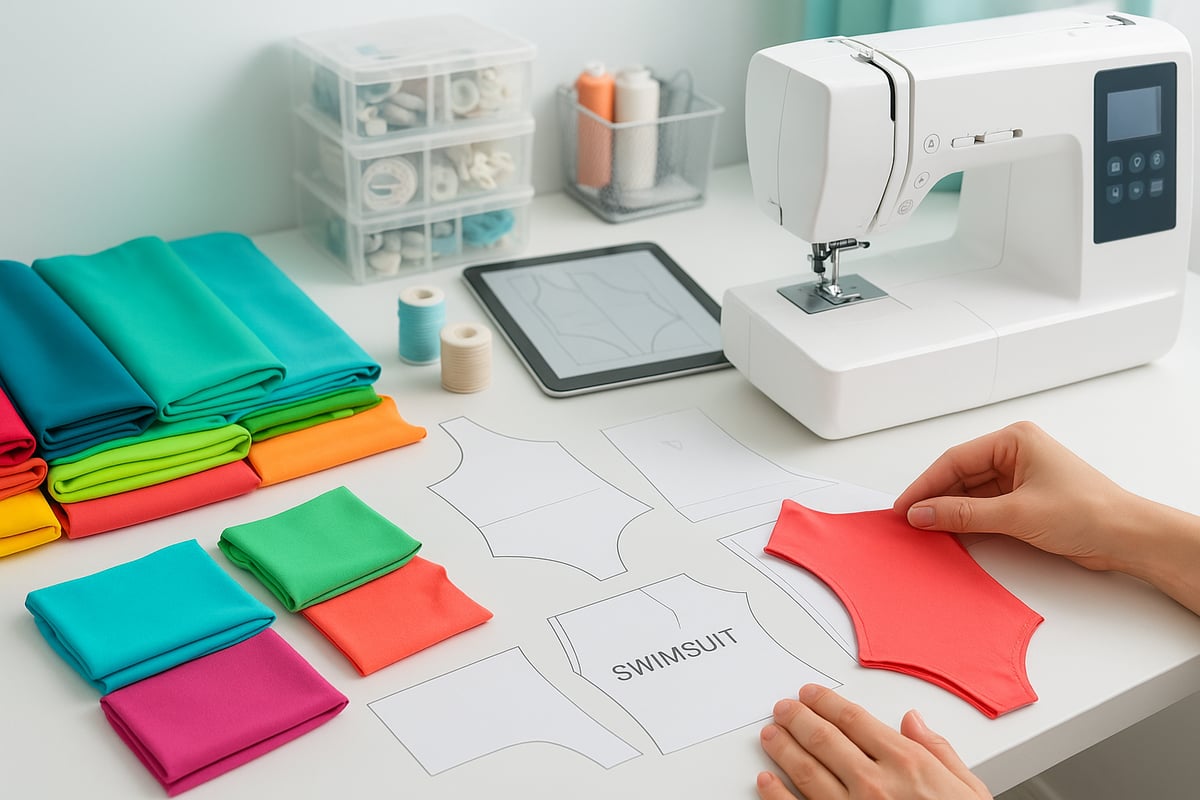
When you make your own swimsuit, fabric choice is the foundation of success. In 2026, top options include recycled nylon, ECONYL, and innovative chlorine-resistant blends. These materials not only offer stretch and comfort but also support sustainability.
UPF ratings are crucial for sun protection, especially as outdoor activity grows. Modern fabrics often come with UPF 50+, blocking over 98 percent of UV rays. Did you know that 60 percent of new swimwear lines now feature eco-friendly materials (WWD, 2025)?
For a deeper dive into what sets premium materials apart, check out What Makes a High-Quality Swimsuit. This resource explains how fabric, construction, and finishes impact longevity and performance.
Here’s a quick comparison table:
| Fabric Type | Key Benefit | Eco-Friendly | UPF Rating |
|---|---|---|---|
| Recycled Nylon | Soft, durable | Yes | 50+ |
| ECONYL | Regenerated fibers | Yes | 50+ |
| Chlorine-Resistant | Long-lasting color | Sometimes | Varies |
Selecting Linings, Elastics, and Closures
To make your own swimsuit truly comfortable, focus on the right linings and elastics. High-quality linings prevent transparency and add softness against the skin. For elastics, use swim-specific options for waistbands, leg openings, and straps, ensuring both stretch and shape retention.
Closures are another detail that can elevate your design. Popular choices in 2026 include ties for adjustability, sturdy plastic or metal clasps, and low-profile zippers. Each closure type serves a different function, so consider your swimsuit’s style and purpose.
When you plan your components, ask yourself: Will this suit handle frequent wear and water exposure? Choosing the right details makes your creation last.
Essential Tools & Equipment
Having the right tools is vital when you make your own swimsuit. At a minimum, you’ll need a reliable sewing machine, a serger for neat seams, and swimwear needles designed for stretch fabrics.
For 2026, digital upgrades like pattern-making software and 3D body scan apps are game changers. They help you achieve precise fits and experiment with new designs. Other handy gadgets include rotary cutters for clean fabric edges and specialized clips for slippery materials.
A basic toolkit includes:
- Sewing machine and serger
- Swimwear needles and thread
- Rotary cutter and self-healing mat
- Digital pattern software
- 3D body scanning app
With these tools, your DIY swimwear journey becomes efficient and enjoyable.
Sourcing Materials Sustainably
Ethical sourcing is now a priority for anyone wanting to make your own swimsuit. Look for suppliers that offer recycled or certified fabrics, such as those with OEKO-TEX or GRS labels. Local fabric shops and online platforms dedicated to sustainable materials are expanding their selections every year.
When shopping, ask vendors about the origins of their products. Many online stores highlight eco-friendly lines and provide transparency about their manufacturing processes. If possible, choose suppliers who minimize packaging waste and promote responsible production.
Certifications to watch for:
- OEKO-TEX: Safe, tested textiles
- GRS: Global Recycled Standard
- Bluesign: Responsible manufacturing
Choosing the right source supports both your project and the planet.
Organizing Your Workspace
A well-organized workspace is essential when you make your own swimsuit. Start by setting up a dedicated sewing area with good lighting and plenty of surface space. Use clear bins or drawer organizers to keep stretch fabrics and small notions sorted.
Professional designers often use hanging racks for fabric rolls and labeled containers for elastics and closures. Invest in a sturdy table for cutting and a pinboard to display your patterns or inspiration.
Simple organization tips:
- Store fabrics flat or rolled to avoid creases
- Keep tools within easy reach
- Use baskets or trays for project pieces in progress
An efficient setup keeps your creative process smooth and stress-free.
Step 3: Mastering Fit, Pattern Making & Customization
Achieving that perfect fit is the heart of learning to make your own swimsuit. This step empowers you to create swimwear that feels tailor-made, flatters your shape, and stands up to real-world wear. Whether you are new to sewing or a seasoned DIYer, mastering fit, pattern making, and customization will set your swimsuit apart from store-bought styles.
Understanding Swimwear Fit Principles
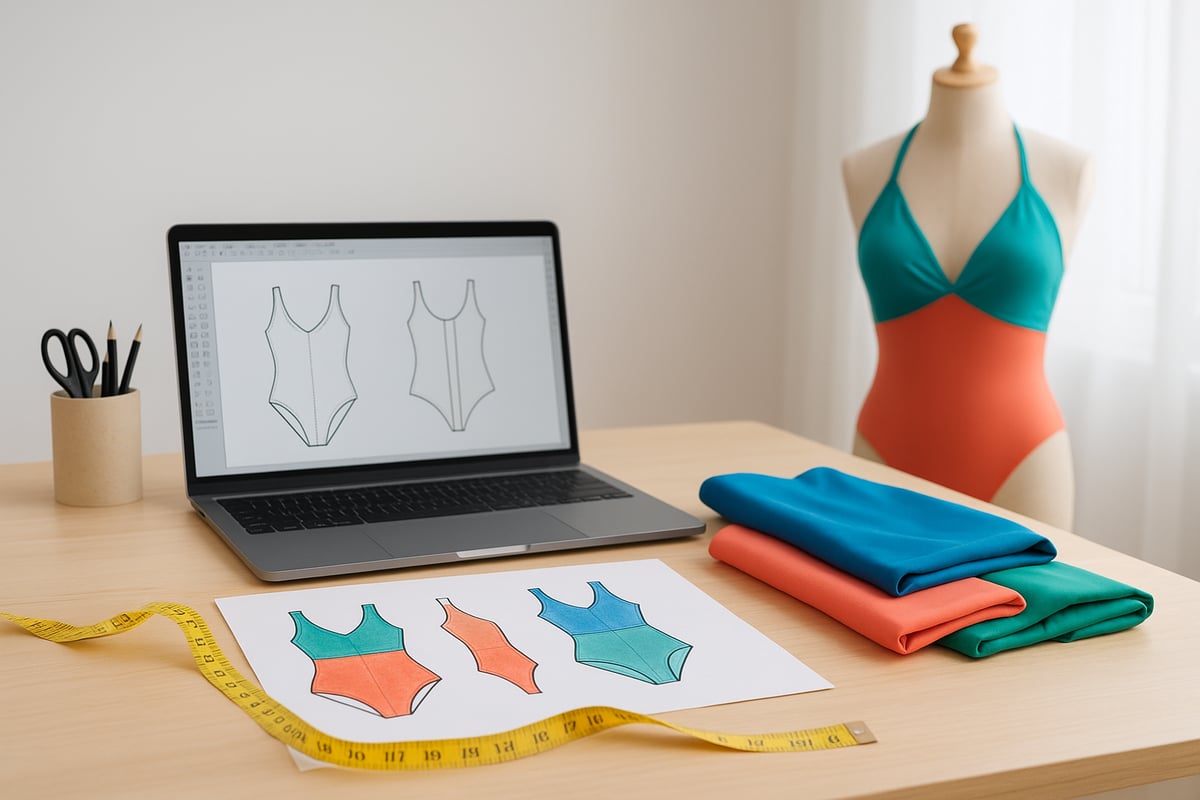
Fit is everything when you make your own swimsuit. Swimwear needs negative ease, which means the fabric should stretch and gently hug the body for support. Unlike everyday clothes, swimwear relies on stretch and recovery to avoid sagging or discomfort in water.
Common fit issues include gaps at the bust, tight leg openings, or rolling waistbands. These can be resolved by selecting the right fabric, adjusting seam allowances, or adding supportive elements like foam cups or underbands.
Did you know that 80 percent of swimwear returns are due to poor fit? Paying close attention to these principles will help you reduce frustration and create a suit you love wearing.
Creating or Adapting Patterns
To make your own swimsuit, you can start with a commercial pattern or draft your own for a truly unique design. Commercial patterns offer convenience and guidance, while drafting lets you tailor every detail.
Today’s digital pattern software and AI-assisted generators simplify the process. Upload your measurements, select your preferred style, and let the software create a custom template. For advanced customization, modify patterns to add cut-outs, higher necklines, or unique straps.
Step-by-step, you can blend elements from multiple patterns or trace a favorite suit as a base. This flexibility ensures your finished product reflects your vision and fits your lifestyle.
Measuring for a Perfect Fit
Accurate measurements are the foundation when you make your own swimsuit. Use a soft measuring tape to record bust, waist, hips, and torso length. For the most precise results, consider 3D scanning apps that capture your body shape and translate it into digital patterns.
If you are unsure how to measure yourself or a loved one, expert guides like Choosing the Right Swimsuit Size provide detailed instructions and tips. For solo sewing, use a mirror or ask a friend to help with tricky spots.
Double-check each measurement before cutting fabric. This step is vital for comfort, mobility, and confidence at the pool or beach.
Customizing for Style & Function
One of the best parts when you make your own swimsuit is the freedom to add personal flair. Consider features like cut-outs, ruffles, pockets, or built-in support for both style and practicality. Tech integrations, such as waterproof pockets or fitness tracker sleeves, are trending in 2026.
You can also mix and match design elements: pair a high-neck top with a classic bikini bottom, or add contrast piping for a sporty edge. Explore innovative materials and hardware to further customize your look.
With endless options, your DIY swimsuit can be as bold or subtle as you wish, supporting both fashion and function.
Testing Fit with Prototypes
Before you finish your make your own swimsuit project, create a prototype using inexpensive stretch fabric. This test garment, often called a muslin, lets you check fit, comfort, and movement without risking your final materials.
Try on the prototype at key construction stages. Pin or baste seams and make adjustments as needed. Common tweaks include raising the neckline, adjusting strap length, or reshaping leg openings.
Professional designers often repeat this process to perfect their patterns. Taking time for prototyping ensures your final suit fits beautifully and performs in every setting.
Step 4: Step-by-Step Swimsuit Construction Process
Ready to bring your vision to life? This is where you transform your design into a wearable masterpiece. Follow these step-by-step instructions to make your own swimsuit with professional precision and confidence.
Cutting & Preparing Fabric
Start by laying out your fabric on a smooth, flat surface. Use pattern weights instead of pins to prevent distortion in stretch materials. When you make your own swimsuit, precise cutting is essential for a great fit and clean lines.
Arrange your pattern pieces with the greatest stretch running horizontally. Mark all notches and placement points using fabric-safe pens. To minimize waste, nest smaller pieces within larger ones and cut in a single layer for accuracy.
Double-check that your pieces match your intended size. This careful preparation sets the tone for a flawless construction process and ensures your swimsuit looks and feels custom-made.
Assembling the Swimsuit: Seams & Construction
With your pieces ready, it is time to assemble. The best way to make your own swimsuit is to use seams designed for stretch, such as zigzag, overlock, or flatlock stitches.
Start by joining the main body panels, following your pattern’s instructions. Use a stretch needle and polyester thread to prevent skipped stitches. For tricky fabrics, a walking foot can help feed layers evenly.
Take your time aligning edges and keeping seam allowances consistent. Press seams gently with a cool iron if needed, always using a pressing cloth. This method ensures durable, professional results for your swimsuit.
Attaching Elastics & Closures
Elastic is crucial for a secure and comfortable fit when you make your own swimsuit. Measure and cut elastic for leg openings, waistbands, and straps, following your pattern’s guidelines.
Sew elastic to the fabric’s wrong side using a zigzag stitch, stretching it slightly as you sew. Fold the edge over and topstitch with a twin needle or coverstitch for a smooth finish. For closures, choose from ties, clasps, or zippers.
Test closures for ease of use and security. If you want to enhance water safety, consider referencing resources like Best Swimsuit Colors for Water Safety for additional insights on design choices.
Adding Linings and Finishing Edges
Lining adds comfort and opacity, making it a vital step as you make your own swimsuit. Cut lining pieces using the same pattern as your outer fabric. Baste the lining to the main fabric, wrong sides together, keeping edges aligned.
Finish raw edges with fold-over elastic or a coverstitch for a polished look. Pay attention to curves and corners, trimming excess fabric for a smooth result.
Professional finishing touches, like binding or decorative topstitching, give your swimsuit lasting durability and a refined appearance that stands out.
Fitting & Adjustments During Construction
Try on your swimsuit at key stages to check fit and comfort. When you make your own swimsuit, real-time adjustments are essential for a truly custom result.
Pin or baste seams before final stitching. Look for areas that gape, pull, or feel too tight. Mark adjustments directly on the fabric, then resew as needed.
Even small tweaks can make a big difference in how your swimsuit fits and moves. This iterative process reflects how professional designers achieve perfect results.
Final Quality Check & Care Instructions
Before wearing your new creation, perform a thorough quality check. To make your own swimsuit last, review this checklist:
| Quality Control | Pass/Fail |
|---|---|
| Seams secure | |
| Fit accurate | |
| Elastic stable | |
| Edges finished | |
| Stretch test |
Care for your swimsuit by rinsing after use, hand washing in cold water, and drying flat. Proper care can extend swimwear lifespan by up to 40 percent, letting you enjoy your creation longer and reduce waste.
Step 5: Personalization, Embellishments & Advanced Techniques
Personalizing your suit takes the make your own swimsuit process to the next level. At this stage, you can transform a simple piece into a true reflection of your creativity and values. Whether you love bold details, want to integrate smart features, or are passionate about sustainability, these advanced techniques will help your design stand out.
Adding Unique Details: Appliqué, Embroidery & Prints
One of the most exciting ways to make your own swimsuit unique is by experimenting with appliqué, embroidery, and custom prints. Start by selecting motifs or patterns that reflect your personality. Use embroidery threads to add texture, or try iron-on patches for a quick update.
Digital fabric printing has become more accessible in 2026, allowing you to upload your own artwork and receive printed swim fabric by mail. Consider mixing techniques, such as combining embroidery with printed panels, to create layered effects. Explore inspiration from runway collections, and do not hesitate to sketch your ideas before starting.
Incorporating Smart Features & Tech
Today’s swimmers want more than style. When you make your own swimsuit, consider integrating smart features for both function and fun. Waterproof pockets are ideal for securing keys or smart devices. Some creators embed UV sensors that alert you when it is time to reapply sunscreen.
You can also experiment with fitness tracking integrations or RFID tags for swim class attendance. Brands are exploring these innovations, and user feedback shows that tech-enabled swimwear enhances both safety and convenience. Think about your lifestyle needs as you plan your customizations.
Dyeing, Painting & Surface Design
Dyeing and painting offer endless ways to personalize your swimsuit. When you make your own swimsuit, choose dyes or paints specifically formulated for stretch fabrics. Test for colorfastness by soaking a swatch in chlorine and saltwater before committing to your final piece.
Popular techniques include ombré dyeing, hand-painting abstract designs, or using stencils for crisp graphics. Always work in a well-ventilated space and wear gloves. These creative methods let you achieve one-of-a-kind results that will not fade after a few swims.
Sustainable & Ethical Personalization
Sustainability is now central to the make your own swimsuit movement. Embrace upcycling by adding details from fabric scraps or repurposed materials. Opt for zero-waste embellishments, such as decorative stitching or recycled trims.
Look for certified ethical suppliers when sourcing new materials. According to Sustainable Swimwear Fabric Innovations For Brands 2026, demand for eco-friendly fabrics and trims is rising fast. By personalizing your swimsuit with sustainability in mind, you help shape a greener future for fashion.
Step 6: Swimwear for Kids—Safety, Style & Parental Tips
Creating swimwear for children brings unique rewards and responsibilities. When you make your own swimsuit for a child, you blend creativity with essential safety and comfort features. This section guides you through the most important considerations, from style and sun protection to high-visibility colors and parental tips, ensuring every young swimmer feels confident and secure.
Designing Swimsuits for Children’s Needs
When you make your own swimsuit for kids, focus on comfort, freedom of movement, and reliable sun protection. Young swimmers benefit from soft, stretchable fabrics that allow play without restriction. Prioritize flat seams and tagless designs to prevent skin irritation.
Sun protection is crucial. Choose fabrics with high UPF ratings to shield delicate skin. For a deeper understanding of why this matters, visit Why UPF Protection Matters. Always consider adjustable features, like straps or drawstrings, to accommodate growth spurts.
Popular 2026 styles include rash guards, high-neck one-pieces, and swim shorts with built-in liners. Safety guidelines recommend double-checking fit to avoid loose fabric that could snag.
Importance of High-Visibility Swimwear
Selecting high-visibility swimwear is a vital part of the process when you make your own swimsuit for children. Bright colors and bold contrasts make it easier for adults to spot kids in crowded pools or open water. Recent water safety statistics indicate that high-visibility suits can reduce the risk of unnoticed incidents by 50 percent.
Designers recommend using neon yellows, lime greens, and vivid oranges. These shades stand out in both natural and artificial lighting. Parental peace of mind is greatly improved when children are easily seen, especially during group activities or beach outings.
By integrating these safety-first color choices, your custom creations support both style and family safety goals.
Bright & Bold Swimwear: Safety-First Design for Kids
Bright & Bold Swimwear has become a leader in high-visibility, safety-focused designs for children. If you make your own swimsuit and seek inspiration, this brand’s partnership with the National Drowning Prevention Alliance sets a valuable example.
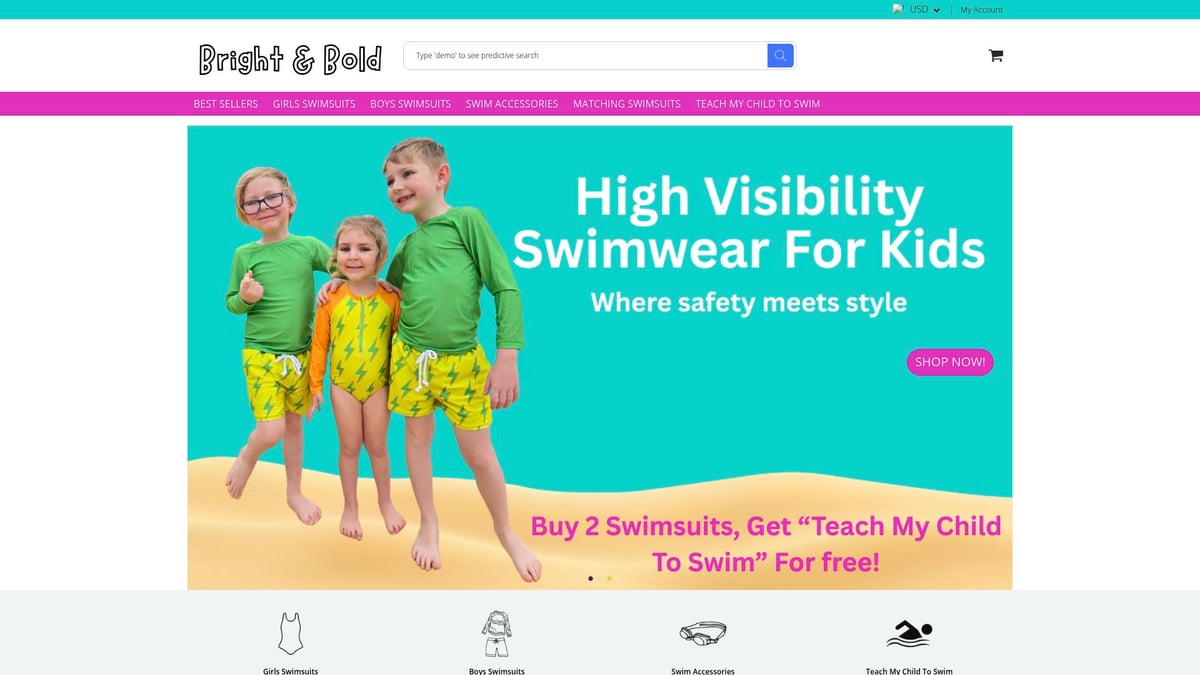
Their products feature vibrant, thoughtfully selected colors and built-in UPF protection. Every design is created by parents, for parents, emphasizing comfort and practical features. This commitment to education and safety helps set new industry standards for kids’ swimwear.
Explore their collection for ideas on combining function, safety, and playful style in your own projects.
Tips for Parents: Teaching Kids Swim Safety & Care
Involving children in the process when you make your own swimsuit can empower them and build excitement for swimming. Teach basic water safety, such as always swimming with supervision and recognizing pool rules.
Encourage kids to help choose patterns or colors for their suits. This not only boosts confidence but also helps them understand the importance of swimwear features. To extend the life of custom suits, rinse swimwear after every use and avoid harsh detergents.
With these tips, you create not just a garment, but a positive, safe swimming experience for your child.
Step 7: Sustainability & The Future of DIY Swimwear
The future of swimwear design is inseparable from sustainability. As more creators choose to make your own swimsuit, eco-conscious choices and innovative methods are transforming the industry. This final step explores how you can align your creative process with the values and technologies shaping swimwear in 2026.
Eco-Friendly Materials & Processes
Choosing the right materials is essential when you make your own swimsuit. In 2026, recycled and biodegradable fabrics like ECONYL are leading the market, offering both performance and sustainability. Water-saving dye techniques and zero-waste cutting methods are becoming standard practice.
According to market data, eco-friendly swimwear sales have surged by 35% year-over-year, proving consumer demand. Brands are innovating with advanced textiles, such as Hyosung's Innovative Textile Solutions Set to Meet 2026 Swimwear Trends, which feature recycled elastane and improved durability. When selecting materials, look for certifications like OEKO-TEX or GRS to ensure your swimsuit is both safe and sustainable.
Circular Fashion & Upcycling in Swimwear
Circular fashion is changing how you make your own swimsuit. This approach focuses on designing for longevity, repair, and eventual recycling. Upcycling is gaining popularity, with many creators transforming vintage suits or fabric scraps into new, unique pieces.
Community swap events and online platforms support this movement, making it easier to find pre-loved materials. Repair and reuse not only reduce waste but also foster a sense of creativity and resourcefulness. By embracing circular principles, you help extend the lifecycle of every swimsuit you make, minimizing environmental impact.
The Role of Technology in DIY Swimwear
Technology is revolutionizing how you make your own swimsuit. Advanced tools like 3D printing and AI-driven pattern generators are now accessible to home designers. Digital pattern sharing allows for rapid prototyping and precise customization.
Physics-based CAD systems, such as those described in Textile IR: A Bidirectional Intermediate Representation for Physics-Aware Fashion CAD, enable accurate fit analysis and realistic fabric simulation. Virtual fitting rooms and maker communities are making the DIY experience more interactive and inclusive. These innovations empower creators to achieve professional results from home.
Building a DIY Swimwear Community
No journey to make your own swimsuit is complete without community support. Online forums, social media groups, and local workshops connect makers of all skill levels. Sharing designs, tips, and feedback accelerates learning and sparks creativity.
Participating in these communities helps you stay updated on new trends and techniques. Collaborative projects and challenges encourage innovation and foster lasting connections. As the DIY swimwear movement grows, community engagement remains a key driver of both skill development and personal expression.
As you dive into your own swimsuit design journey, remember that safety and style go hand in hand—especially for the little ones in your life. We’ve explored how vibrant colors and thoughtful features make swimwear not only unique, but also help keep kids visible and protected in the water. If you’re feeling inspired to combine your creative skills with peace of mind for your daughter, take a look at Bright & Bold’s selection of high-visibility styles. Their swimsuits are designed by parents who understand what matters most. Ready to make a confident, safety-first choice? Shop Girls High Visibility Swimsuits Now