

What Happens If UPF Clothing Gets Wet: A Parent's Guide
Table of Contents
- How Moisture Affects UV Protection in UPF Clothing
- Does Wet Fabric Lose Its UPF Rating?
- UPF vs. SPF: Understanding the Difference in Water
- How to Wash UPF Clothing to Preserve Protection
- Does Chlorine Ruin UPF Clothing?
- How Long Does UPF Protection Last in Active Use?
- Common Misconceptions About Wet Sun-Protective Clothing
- Keeping Your Child Safe: Best Practices for Sun Protection in Water
Last Updated: August 8, 2026
How Moisture Affects UV Protection in UPF Clothing
When your child's UPF clothing gets wet, the fabric's ability to block ultraviolet radiation changes. Water fills the microscopic spaces between fibers that normally trap and scatter UV photons. When saturated, the refractive index of the fabric changes, meaning light bends differently as it passes through, allowing more ultraviolet radiation to penetrate the garment.
The degree of protection loss depends on fabric fiber density, the type of synthetic material used, and how thoroughly the garment is saturated. A loosely woven cotton blend loses more protection when wet than a tightly woven polyester or nylon rash guard. This is why synthetic materials dominate the sun-protective clothing market, they maintain better UV-blocking performance when exposed to moisture.
Research shows that hydrophobic (water-resistant) fabrics maintain better protection in wet conditions than hydrophilic (water-absorbing) materials. Bright & Bold Swimwear designs rash guards and swim sets with synthetic fiber blends specifically chosen to resist moisture absorption, preserving UPF ratings even during extended water exposure.

Does Wet Fabric Lose Its UPF Rating?
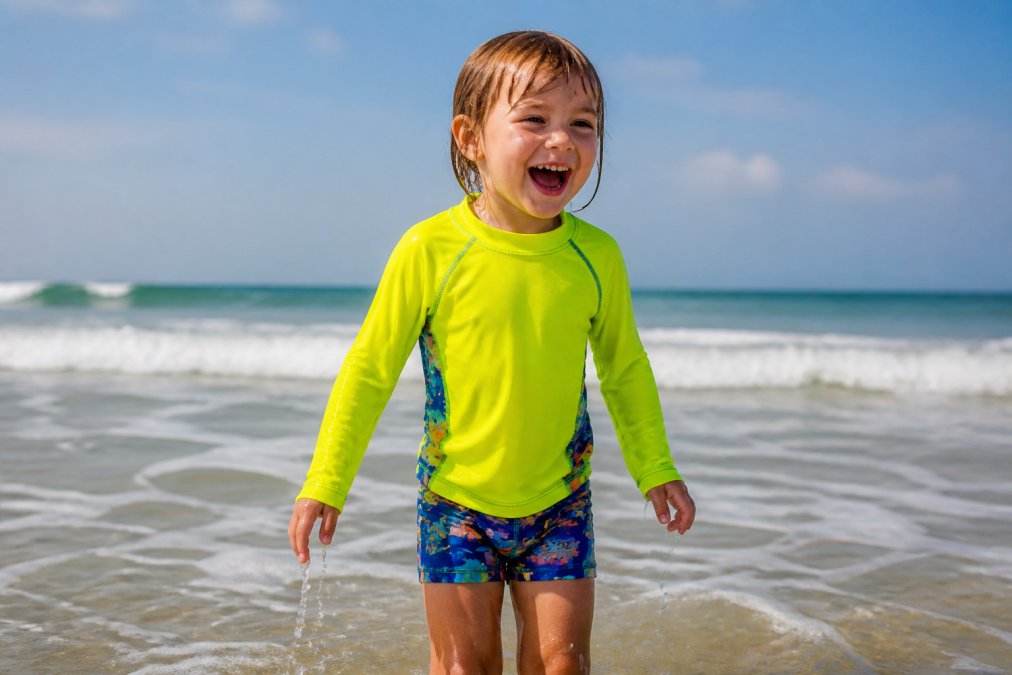
Wet fabric does not permanently lose its UPF rating, but its protective performance temporarily decreases while saturated. Once the garment dries, the original UPF protection returns.
UPF ratings are standardized measurements performed on dry fabric under controlled laboratory conditions. When you wet the garment, you're temporarily changing its physical properties. This doesn't mean the rating is false, it means the rating applies specifically to dry conditions.
Most UPF clothing maintains 50-70% of its rated protection when fully saturated with fresh water. The protection loss is temporary and reverses as the fabric dries. However, saltwater and chlorinated water can cause chemical degradation that affects the rating more permanently.
Your child isn't unprotected in wet UPF clothing, but the protection is reduced. Combining a wet rash guard with other sun-safety strategies, seeking shade during peak UV hours (10 a.m. to 4 p.m.), applying broad-spectrum sunscreen to exposed skin, and using a swim hat, provides layered defense that accounts for this temporary reduction.
UPF vs. SPF: Understanding the Difference in Water
Many parents confuse UPF (Ultraviolet Protection Factor) and SPF (Sun Protection Factor), especially when their child is in water. These measure different things.
SPF measures protection against UVB rays only, the wavelength primarily responsible for sunburn. SPF 30 means it takes 30 times longer to burn than unprotected skin.
UPF measures protection against both UVA and UVB rays and applies to fabrics and textiles. A rash guard rated UPF 50+ blocks at least 98% of the sun's ultraviolet radiation. Dermatologists recommend UPF clothing for extended sun exposure because it covers both types of harmful radiation.
In water, this difference becomes critical. Sunscreen washes off within minutes of submersion, requiring frequent reapplication every 40-80 minutes. UPF clothing stays in place, providing consistent protection without reapplication. However, wet UPF fabric offers temporary reduced protection compared to dry fabric.
The most effective approach combines both: apply broad-spectrum sunscreen (SPF 30+) to exposed skin like the face and ears, then dress your child in UPF-rated rash guards and swim sets. This layered approach ensures comprehensive UV coverage while accounting for temporary reduction in wet fabric protection.

How to Wash UPF Clothing to Preserve Protection
Proper washing is one of the most overlooked factors in maintaining UPF protection. Many parents unknowingly damage their child's sun-protective garments through incorrect care.
Rinse immediately after swimming in chlorinated or saltwater pools. These chemicals can degrade the fibers and any chemical UV-blocking treatments applied during manufacturing. A simple 30-second rinse under a garden hose or shower removes chlorine and salt residue before they bond with the fabric.
For full washing, use cold water and mild detergent. Hot water can break down synthetic fibers and UV-absorbing compounds. Avoid bleach, fabric softeners, and optical brighteners, as these can interfere with the garment's UV-blocking mechanism. Wash inside-out to protect the outer surface from agitation.
Air dry completely before storing. Direct sunlight during drying is beneficial, UV exposure doesn't damage the fabric's protective properties. Machine drying on high heat can warp synthetic fibers and reduce their density, compromising UV transmittance. Line drying preserves the garment's structure and protective rating.
Most UPF garments maintain their rated protection through 50-100 wash cycles with proper care. Chlorine exposure and high-heat washing are the primary factors that degrade protection faster.
Does Chlorine Ruin UPF Clothing?
Chlorine doesn't immediately ruin UPF clothing, but repeated exposure without rinsing causes gradual degradation that reduces the garment's protective lifespan. Chlorine is a chemical oxidizer that breaks down polymer chains in synthetic fabrics over time. The degradation isn't visible immediately, but the fiber structure weakens gradually, reducing the fabric's ability to scatter UV photons effectively.
The extent of damage depends on chlorine concentration and exposure duration. A public pool with standard chlorination levels (1-3 ppm) causes slower degradation than a heavily chlorinated facility. A 30-minute swim lesson causes less damage than 2 hours of daily swimming.
Saltwater presents a different challenge. Salt doesn't degrade the fibers themselves but can cause crystalline buildup that increases the fabric's porosity, allowing more UV radiation to transmit through the material. The degradation from saltwater is typically slower than chlorine damage, but it's cumulative.
The practical solution: rinse your child's UPF clothing immediately after swimming in chlorinated or saltwater environments. This single habit extends the protective lifespan of your child's rash guard or swim set by 50% or more.
For families who swim frequently in pools, consider dedicating one set of UPF clothing exclusively to pool use and another for beach or open-water swimming. This approach preserves your investment by limiting chemical exposure to one garment.
How Long Does UPF Protection Last in Active Use?
The lifespan of UPF protection depends on how frequently your child swims, what water environments you use, and how carefully you maintain the garments. A rash guard worn once monthly for casual pool time will maintain full protection for several years. The same garment worn daily in a chlorinated pool may lose measurable protection within 12-18 months.
Most manufacturers design UPF clothing to maintain rated protection through 50-100 wash cycles under normal care conditions. This translates to roughly one to two years of regular use (2-3 times weekly) before noticeable degradation occurs.
Visual inspection provides a practical way to assess whether your child's UPF garment is still providing adequate protection. Look for signs of fiber breakdown: pilling, thinning areas, color fading on seams and high-friction areas, or loss of stretch. These indicate that the fabric's structure is compromised and UV-blocking capability has declined.
Heavier, denser rash guards maintain protection longer than lightweight options because they have more material to degrade before protection becomes noticeably compromised. Quality matters in sun-protective clothing.
Replace your child's UPF clothing when you notice significant color fading, fiber degradation, or stretching that won't recover. These physical changes indicate that the protective mechanisms have weakened.
Common Misconceptions About Wet Sun-Protective Clothing
Parents often hold beliefs about wet UPF clothing that don't match how the physics actually works.
Misconception 1: Wet UPF clothing provides zero protection. False. Wet fabric still blocks 60-70% of the rated protection. It's reduced, not eliminated.
Misconception 2: UPF clothing loses its rating permanently after getting wet. False. Once dry, the fabric returns to its original protective capacity.
Misconception 3: All wet fabric loses protection equally. Tightly woven synthetic fabrics maintain better protection when wet than loosely woven natural fibers. Fabric construction matters as much as whether it's wet or dry.
Misconception 4: Darker colors provide better UV protection than bright colors. Color itself doesn't determine UV protection; fiber density and material composition do. Bright neon colors in UPF clothing are chosen for visibility and safety, not because they provide less protection. Bright & Bold Swimwear uses vibrant colors for visibility while maintaining full UPF 30+ protection.
Misconception 5: You don't need sunscreen if your child wears UPF clothing. Your child's face, ears, hands, and feet aren't covered by a rash guard. These exposed areas need broad-spectrum sunscreen (SPF 30+) applied and reapplied regularly.
Misconception 6: Wet fabric stretches permanently and loses its shape. Temporary stretching happens when wet, but quality synthetic fabrics return to their original shape as they dry. Repeated high-heat drying or aggressive wringing can cause permanent deformation. Gentle air drying prevents this damage.
Understanding what actually happens when UPF clothing gets wet helps you use these garments effectively as part of a comprehensive sun-safety strategy.
Keeping Your Child Safe: Best Practices for Sun Protection in Water
Effective sun protection for children in water requires a layered approach that accounts for the temporary reduction in wet UPF fabric protection.
Start with clothing as your primary barrier. Dress your child in a UPF 30+ rash guard or swim set before entering the water. Long sleeves and full coverage shield the arms, shoulders, and back, which receive the most direct sun exposure during water activities. For maximum coverage, pair a rash guard with UPF swim leggings or board shorts.
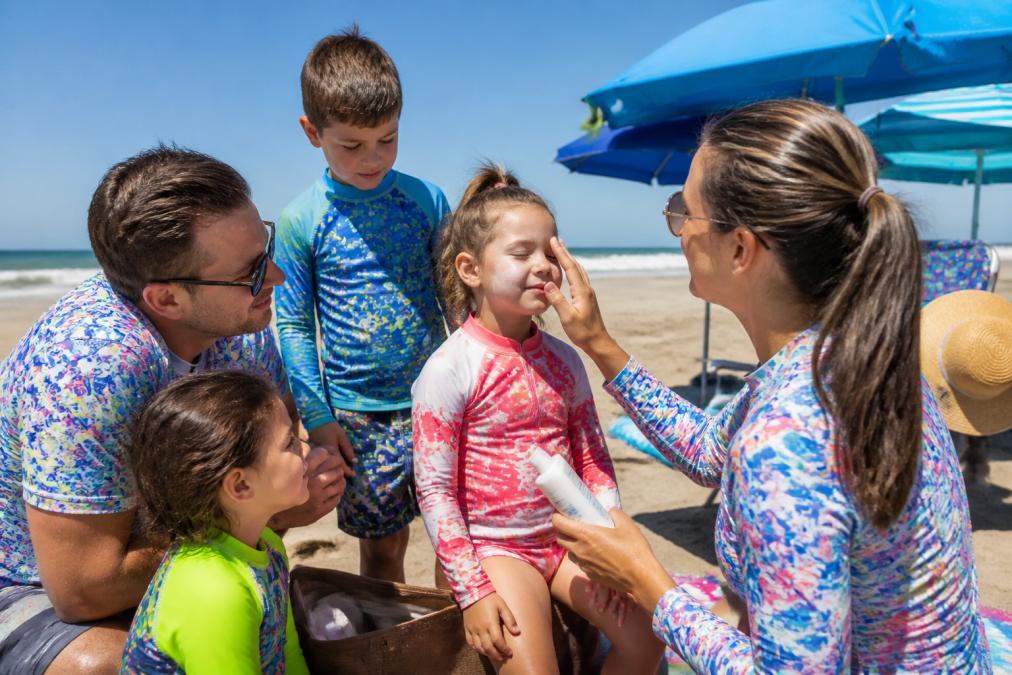
Apply broad-spectrum sunscreen (SPF 30+) to all exposed skin 15 minutes before water exposure. Focus on the face, ears, neck, tops of feet, and any gaps between clothing and skin. Use enough sunscreen, about one ounce (a shot glass full) for your child's entire body. Reapply every 40-80 minutes or immediately after toweling off.
Seek shade during peak UV hours (10 a.m. to 4 p.m.). The sun's rays are strongest during these hours, and UV radiation penetrates water. Beach umbrellas, pop-up tents, or natural shade from trees all reduce direct UV exposure. Plan water activities for early morning or late afternoon when UV intensity is lower.
Use additional protective gear: wide-brimmed swim hats protect the scalp and face, UV-blocking sunglasses protect the eyes and surrounding skin, and water shoes protect the tops of feet. These items work together with UPF clothing to eliminate gaps in coverage.
Teach your child to recognize when they've had enough sun exposure. Watch for signs of fatigue or irritability, which sometimes indicate sun overexposure before visible redness appears. Plan regular breaks in the shade where your child can cool down and hydrate.
Remember that wet UPF clothing still provides meaningful protection, roughly 60-70% of its rated protection. This is why the layered approach works: UPF clothing handles the bulk of UV blocking, sunscreen covers exposed skin and provides a backup, and shade and timing reduce overall UV exposure. Together, these strategies keep your child safe during water activities.
Protecting your child's skin during water activities doesn't mean staying indoors all summer. By understanding how moisture affects UPF protection and combining multiple defense strategies, you can confidently enjoy pool time and beach days. Bright & Bold Swimwear's high-visibility rash guards and swim sets provide both the UPF 30+ protection your child needs and the visibility that helps you keep watch. Explore our collection of boys swimsuits and girls swimsuits to find the right fit for your family's water adventures this summer.
Frequently Asked Questions
Does UPF clothing work when wet?
Yes, UPF clothing continues to provide sun protection when wet, though the level of protection can shift slightly depending on how saturated the fabric becomes. Wet UPF fabric still blocks ultraviolet radiation effectively because the UPF rating is built into the fiber itself through either chemical treatments or tight weave density. However, water can affect how UV transmittance behaves at the fabric surface. The good news: your child remains protected during swimming and water play. For maximum confidence, choose rash guards or UPF swim sets designed specifically for water activities, like Bright & Bold's long-sleeve options with UPF 30+ protection.
How much does UPF protection drop when fabric is saturated?
Research shows that saturation can cause a modest decrease in UV transmittance, typically a reduction of 5-15% in measured protection levels depending on the fabric type and weave density. This means a UPF 50+ garment might perform closer to UPF 40-45 when completely waterlogged. The reduction occurs because water fills microscopic gaps in the fiber structure, slightly altering how photons scatter and absorb. In practical terms, wet UPF clothing still provides excellent protection compared to unprotected skin or a regular wet t-shirt. To maintain peak protection, allow garments to dry between extended water sessions when possible.
Does chlorine or saltwater damage UPF clothing?
Both chlorine and saltwater can gradually degrade UPF protection over time through chemical reactions with the fabric fibers and any applied UPF treatments. Chlorine is particularly aggressive, it breaks down synthetic fibers and can strip away chemical UV-blocking treatments applied during manufacturing. Saltwater causes slower degradation through oxidation and salt crystal formation in the fabric weave. To protect your investment, rinse UPF clothing in fresh water immediately after pool or ocean use, then wash gently in cool water with mild detergent. Air-dry whenever possible rather than using a dryer, which accelerates fiber breakdown. This care routine significantly extends both the garment's lifespan and its protective effectiveness.
How long does UPF protection last in active use?
With proper care, UPF clothing typically maintains its rated protection for 40-50 washes, though this varies by fabric type and treatment method. Chlorine exposure, saltwater exposure, and heat from dryers all reduce this lifespan. Physical UPF treatments (tight weaves and fiber density) hold up better than chemical treatments when exposed to repeated washing and chlorine. Most families find their children's UPF swim sets remain effective throughout a full swim season with normal care. Visual signs of degradation include fading, pilling, or loss of elasticity. Replace garments when you notice these changes or if they no longer fit, rather than waiting for protection to fade completely.
This article was written using GrandRanker