

How to Teach Toddler Water Safety: A Parent's Guide
Table of Contents
- Why Water Safety Matters for Toddlers
- When to Start Swim Lessons and Water Safety Skills
- Active Supervision and Touch Supervision Techniques
- Essential Water Safety Skills for Toddlers
- Pool Safety Barriers and Drowning Prevention Tips for Parents
- Teaching Water Safety Rules and Communication
- Recognizing Drowning Signs and Emergency Response
- Conclusion
Last Updated: August 15, 2026
Why Water Safety Matters for Toddlers
Drowning is a leading cause of unintentional injury and death for children ages one through four. Most incidents happen silently and quickly, often in familiar settings where parents believe their children are safe. Teaching toddler water safety early creates a foundation that can literally save lives.
The good news is clear: parents who invest time in water safety education and supervision dramatically reduce risk. Water safety for toddlers isn't about creating fear. It's about building confidence, teaching survival instincts, and creating an environment where water becomes something your child respects rather than fears.
When to Start Swim Lessons and Water Safety Skills
Most children can begin basic water safety instruction between ages 18 months and 3 years. At this stage, toddlers are developing body awareness and can start learning fundamental concepts like how to hold their breath and float. Formal "swim lessons" in the traditional sense typically work better starting around age 3 or 4, when attention spans and coordination improve.
Water safety skills and swim lessons are not the same thing. Water safety skills include water confidence, understanding personal flotation devices, recognizing water hazards, and basic survival responses. These should begin much earlier than formal swimming instruction. You can start introducing water safety concepts to infants through toddlers during regular bath time and supervised water play.
A practical starting point is to introduce your toddler to water in a controlled, positive way. Brief, playful water exposure builds comfort without pressure. Many families find that 10-15 minutes of supervised water play several times per week helps toddlers acclimate naturally.
The Bright & Bold Swimwear team created a comprehensive guide for teaching toddlers to swim that covers age-appropriate milestones and skill progression.

:::pro Start water safety education at home during bath time. Teach your toddler to recognize the difference between "water play" and "water safety time." This simple language distinction helps toddlers understand context and builds awareness early. :::
Active Supervision and Touch Supervision Techniques
Active supervision is the single most effective strategy to prevent drowning. Active supervision means undivided attention focused on the child in or near water. It means no phones, no distractions, no assumptions that "they'll be fine for a minute."
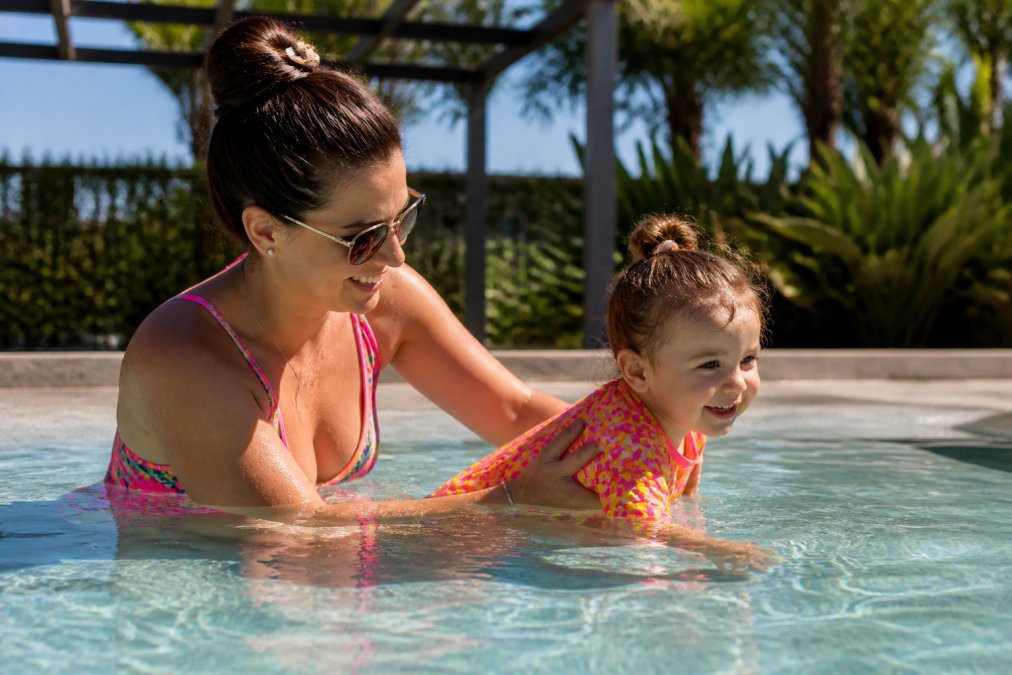
Touch supervision takes this further. For toddlers especially, touch supervision means maintaining physical contact, your hand on your child's back, arm, or shoulder, at all times when they are in water. This is the gold standard for toddler water safety because it eliminates the lag time between noticing a problem and responding to it.
Here's how to implement touch supervision effectively:
- Designate one adult as the "water watcher" when your toddler is in water. This person's only job is watching your child.
- Keep your hand on your child at all times. Maintain consistent physical contact as your child moves through the water.
- Maintain visual contact even when your child is playing with toys or other children. Drowning often happens silently, without splashing or calls for help.
- Rotate supervision duties if multiple adults are present. Never assume another caregiver is watching; communicate clearly about who is responsible at each moment.
- Recognize that supervision requirements change by age and water environment. A toddler in a shallow kiddie pool still needs touch supervision.
Research from [the CDC on water safety and drowning prevention(/blogs/swimwear/drowning-prevention-tips-for-parents) | cdc.gov] emphasizes that active supervision is the most effective intervention for preventing child drowning across all age groups.
A common mistake is assuming that swim lessons eliminate the need for active supervision. They don't. Swim lessons teach water skills, but they do not make a toddler "water-safe" or eliminate drowning risk. A child who has taken swim lessons still needs constant, active supervision in any aquatic environment.
Essential Water Safety Skills for Toddlers
Beyond supervision, your toddler needs to develop specific water skills that build confidence and provide basic survival responses.
Back Float and Survival Skills
A back float is one of the most valuable water survival skills a toddler can learn. When a child can float on their back, they can stay afloat if they accidentally fall into water, buying time for rescue and reducing panic.
Teaching a back float starts with comfort and trust. Begin in shallow water where your child can touch the bottom. Support your child's head and back with your hands while they practice lying back. Use reassuring language: "The water is holding you up. I'm right here." Practice this position repeatedly until your child relaxes into it.
As your child gains confidence, gradually reduce your support. Many toddlers will naturally learn to float on their back by age 3 or 4 with consistent, gentle practice. Back float practice should happen in short sessions, 5-10 minutes at a time, during regular water play. Consistency matters more than duration.
Treading Water and Water Confidence
Water confidence is the foundation for all other water skills. A confident child is more likely to stay calm if they find themselves in unexpected water, and calmness dramatically improves survival outcomes.
Build water confidence through positive, playful exposure. Let your toddler splash, jump (with your support), play with toys, and explore water at their own pace. Avoid forcing your child into water or creating negative associations.
Teach breath control through simple games: blow bubbles, count while holding your breath, practice the "take a breath" command before going under water. These skills develop naturally through play and should never feel like formal instruction.
Pool Safety Barriers and Drowning Prevention Tips for Parents
Supervision is essential, but it's not enough alone. Effective drowning prevention requires multiple layers of protection.
Fencing, Alarms, and Safety Covers
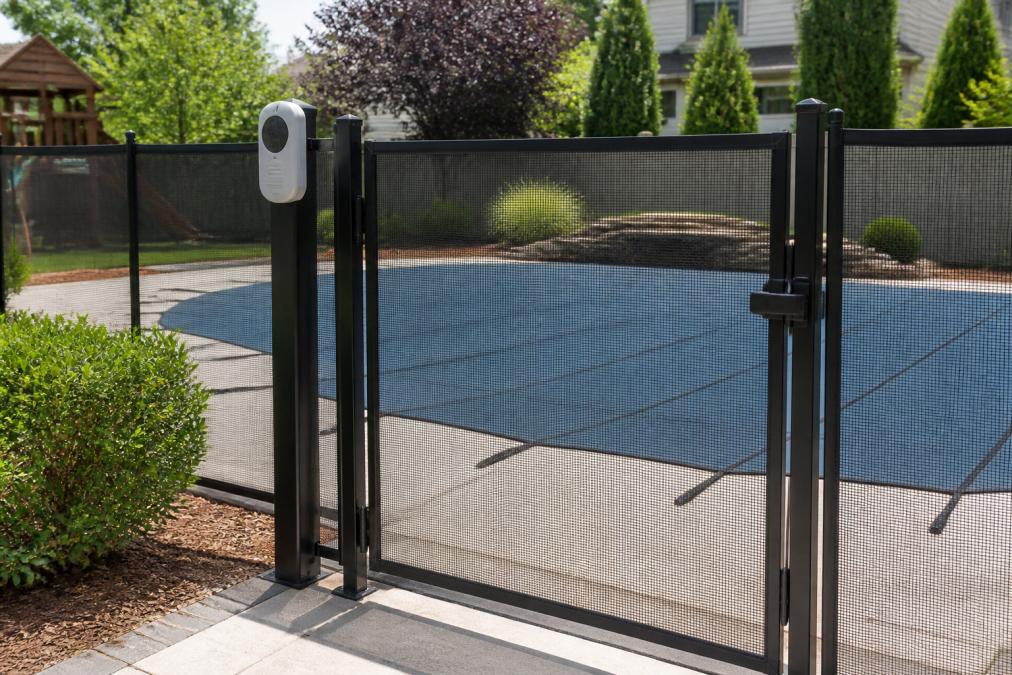
A four-sided safety fence around a pool is a critical barrier. This fence should completely surround the pool with no gaps that a toddler could squeeze through. Gates should be self-closing and self-latching, positioned so that a young child cannot open them.
Pool alarms provide an additional layer of protection. Water alarms detect movement and sound an alert; gate alarms notify you when the pool gate is opened. Neither replaces supervision, but both provide backup detection if attention lapses.
Safety covers and drain covers are also important. A properly installed safety cover prevents accidental falls into the pool. Drain covers prevent entrapment hazards, which are a specific drowning risk in pools and spas.
The most effective approach combines all these elements: a secure fence, functioning alarms, a safety cover when the pool is not in use, and constant active supervision when the pool is in use.
Life Jackets and Personal Flotation Devices
A personal flotation device (PFD) or life jacket is essential safety gear for toddlers around water. A properly fitted life jacket keeps a child's head above water even if they panic or lose consciousness, providing passive flotation when active swimming is not possible.
A Coast Guard-approved life jacket is the standard that actually works. For toddlers, choose a life jacket specifically designed for their age and weight. The fit matters enormously. A properly fitted life jacket should be snug enough that your child cannot slip out of it, but not so tight that it restricts movement or causes discomfort.
High-visibility colors make a critical difference. A bright, neon-colored life jacket is easier to spot quickly in water. This is why many families choose high-visibility swimwear and accessories for water environments. Bright & Bold Swimwear designs children's swimsuits and rash guards in vibrant, high-visibility colors specifically to help parents and lifeguards maintain visual contact quickly. The high-visibility design works alongside other safety measures to keep your child visible.
Teaching Water Safety Rules and Communication
Clear, age-appropriate communication about water safety rules helps toddlers develop awareness and understanding over time. Use simple, concrete language. Instead of "Be careful in the water," try "We hold hands in the water" or "We ask a grown-up before going near the pool."
Establish consistent rules and enforce them every single time. If your rule is "We always ask before getting in the water," enforce it without exception. Consistency teaches your child that rules matter and builds the habit of checking before entering water.
Make water safety language part of your regular routine. Before pool time, remind your child: "We stay with a grown-up. We listen for the whistle. We ask before going under water." Repetition builds understanding and habit formation.
Teach your child to recognize and respond to authority figures. If a lifeguard or other adult tells your child to exit the water, your child should listen. Practice this in low-stakes situations so it becomes automatic.
Recognizing Drowning Signs and Emergency Response
Drowning often looks different from what parents expect. There is frequently no splashing, no calling for help, and no obvious distress. A child can slip underwater and become incapacitated within seconds.
Recognize these signs of drowning:
- Head low in water, mouth at water level
- Inability to call for help or respond to questions
- Gasping or irregular breathing
- Vertical body position in water (not horizontal)
- Glassy, unfocused eyes
- Loss of body control or coordination
If you suspect your child is drowning:
- Remove them from water immediately
- Call 911
- Begin CPR if trained and if the child is unresponsive and not breathing
- Keep the child warm and monitor for delayed water aspiration (secondary drowning), which can occur hours after water exposure
CPR certification is invaluable. The American Heart Association offers CPR training for parents and caregivers, including specific techniques for infants and children. Know the signs of secondary drowning, which can occur hours after water exposure. Symptoms include coughing, difficulty breathing, lethargy, or vomiting. If your child experiences any of these symptoms after water exposure, seek medical attention immediately.
Teaching your toddler water safety is one of the most important investments you can make in their wellbeing. It combines active supervision, physical barriers, skill development, and clear communication into a comprehensive approach that reduces drowning risk dramatically.
The strategies covered here, touch supervision, survival skills, barriers, life jackets, clear rules, and emergency awareness, work together to create multiple layers of protection. Start today with the supervision and communication strategies that fit your family's routine. As your child grows, add skills progressively. Bright & Bold Swimwear's high-visibility swimwear and rash guards complement your safety efforts by keeping your child easily visible in water environments. Explore our collection of boys and girls swimsuits designed for visibility and safety to find options that work for your family's water activities.
Frequently Asked Questions
How do I teach a 2-year-old water safety?
Start with water familiarity through play, always maintain touch supervision (hand-on contact), and use simple, repeated safety words like 'stop' and 'no water in mouth.' Enroll in parent-child swim classes where instructors teach water safety skills appropriate for their age. Practice in shallow water first, use a personal flotation device, and establish clear rules about never entering water without an adult present. Consistency and positive reinforcement help toddlers internalize water safety habits.
What are the 5 basic water safety skills for toddlers?
The five essential water safety skills are: (1) water comfort and familiarity with the aquatic environment, (2) floating or back float survival skills, (3) understanding basic water safety rules and responding to commands, (4) treading water or staying afloat with support, and (5) recognizing when to ask for help. These skills build progressively and should be taught through swimming lessons and supervised practice. Each skill reduces drowning risk by building water confidence and self-rescue awareness.
At what age should a child start formal swim lessons?
Formal swim lessons can begin around age 2-3, though parent-child water safety classes are beneficial starting at age 1. The American Academy of Pediatrics emphasizes that formal lessons reduce drowning risk for children ages 1-4. However, lessons are most effective when combined with active supervision, barriers, and life jackets. Every child develops at their own pace, so consult with swim instructors to determine the right timing and progression for your toddler's readiness.
How can I supervise my toddler effectively around water?
Effective supervision means constant visual contact, zero distractions (put away phones), and maintaining touch supervision whenever possible, especially with children under 5. Stay within arm's reach in and around the water, assign one adult as the designated water watcher, and never rely on flotation aids alone. Establish clear rules about water entry, avoid conversations with other adults, and keep rescue equipment nearby. Active supervision is the single most effective drowning prevention strategy.
This article was written using GrandRanker