

Is UPF 50 Clothing Worth the Cost? Guide for Families
Table of Contents
- What UPF 50 Clothing Actually Protects Against
- UPF vs SPF Explained: What Parents Need to Know
- How to Choose UPF Clothing for Kids
- How Long Does UPF Clothing Last?
- Is UPF 50 Clothing Worth the Cost? A Value Breakdown
- High-Visibility Swimwear: UPF Protection Plus Peace of Mind
- Frequently Asked Questions
Last Updated: September 22, 2026
What UPF 50 Clothing Actually Protects Against
UPF 50 clothing blocks up to 98% of ultraviolet radiation, which makes it one of the most reliable forms of photoprotection available for children. At Bright & Bold Swimwear, we pair sun-blocking fabric with high-visibility colors so parents can spot their child in a crowded pool and protect their skin at the same time.
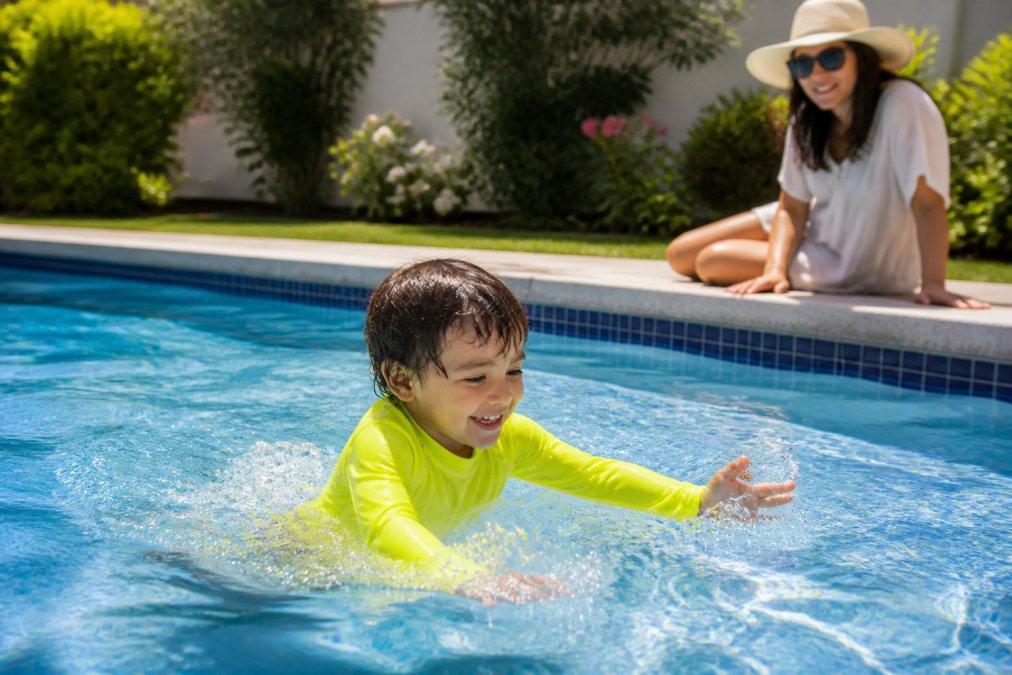
The protection matters because sun exposure accumulates. The American Academy of Dermatology's sun protection guidance notes that unprotected UV exposure is a leading contributor to long-term skin damage, and childhood sunburns raise melanoma risk later in life.
How UPF Ratings Are Calculated
Ultraviolet Protection Factor (UPF) measures how much UV radiation passes through a fabric to reach your child's skin. A UPF 50 rating means roughly 1/50th of UV radiation gets through, so the garment blocks about 98% of it.
Ratings are determined through laboratory testing that measures UV transmission through the fabric. The Skin Cancer Foundation's overview of sun-protective clothing explains that a UPF rating applies to both UVA and UVB rays, which is why dermatologists recommend sun-protective apparel as a first line of defense.
UPF vs SPF Explained: What Parents Need to Know
The difference comes down to what is being protected. SPF (Sun Protection Factor) rates how well a sunscreen protects skin. UPF rates how well a fabric protects skin.
Sunscreen needs reapplying every two hours, and swimming or sweating washes it away. A UPF 50 rash guard keeps working as long as it's on your child's body. That consistency is the real advantage for families spending a full day at the beach or pool.

| Feature | SPF (Sunscreen) | UPF (Clothing) |
|---|---|---|
| What it protects | Skin | Skin under fabric |
| Reapplication | Every 2 hours | Not needed |
| Washes off in water | Yes | No |
| Coverage consistency | Varies | Constant while worn |
How to Choose UPF Clothing for Kids
Choosing sun-protective apparel for children comes down to three things: fabric, fit, and coverage. Get those right and you have a garment that protects all day without constant fussing.
Fabric, Fit, and Coverage That Matters
- Fabric weave density: Tight-weave construction blocks more UV transmission. Synthetic fibers like polyester and nylon typically outperform loose knits.
- Fit: Snug but not restrictive. Fabric that stretches thin loses protection.
- Coverage: Long sleeves and full torso coverage protect the areas children burn fastest, like shoulders and arms.
- Color: High-visibility neon does double duty, blocking sun and making your child easier to spot.
Bright & Bold Swimwear's girls long sleeve rash guard set and boys' long sleeve rash guard sets both offer UPF 30+ protection with full-length sleeve coverage. The girls long sleeve one-piece adds a front zipper so kids can get in and out without a changing-room meltdown.

How Long Does UPF Clothing Last?
How long a garment keeps its rating depends almost entirely on how it was made UV-protective. There are two paths, and they age very differently.
Weave-based protection comes from the fabric itself, a tight knit or weave, often with stretch and thickness doing the blocking. Because the protection is structural, it does not wash out. A well-made weave-based rash guard commonly holds its rating for the life of the fabric, which for a child's suit in regular rotation is often one to two summers before it is outgrown rather than worn out.
Treatment-based protection relies on a finish applied to the yarn or fabric, sometimes described as wash-in or built-in UV treatment. These finishes are designed to be durable, but they do gradually diminish with repeated laundering, chlorine exposure, and abrasion. Garments in this category tend to lose meaningful protection after roughly 20 to 40 wash cycles, depending on the finish and how harshly the suit is treated. That is why a treatment-based UPF 50 top can quietly become a UPF 20 top by its second season.
The practical takeaway: weave-based construction is the more durable choice.
What Wears Protection Out Fastest
- Chlorine and saltwater: Both stress fibers and finishes over time. Rinsing immediately after every swim is the single highest-impact habit.
- Hot water and high-heat drying: Heat breaks down finishes and can relax the knit, opening the weave. Cold wash, air dry.
- Harsh detergents and fabric softeners: Softeners coat fibers and can reduce a fabric's ability to manage moisture, while bleach and strong detergents degrade finishes.
- Abrasion: Sand, pool decks, and rough play thin the fabric, especially at shoulders, seat, and knees.
- Stretch: Fabric stretched tight over a growing child transmits more UV than the same fabric at rest. A suit that has become too small is also a suit that protects less.
A Simple Replacement Check
Hold the garment up to a bright window or a strong lamp. If you can see a lot of light coming through, the weave has thinned and it is time to replace it. Pay attention to the high-exposure zones, shoulders, upper back, and the seat, since those thin out first. If a suit has faded noticeably, feels thinner than when it was new, or has been through two full swim seasons of weekly use, it has likely served its purpose.
Is UPF 50 Clothing Worth the Cost? A Value Breakdown
Yes, for most families with young children, UPF 50 clothing is worth the cost, but the reason is not that it is cheap. It is that the cost is spread across years of use while the alternative is a recurring expense that never stops.
The Cost-Per-Wear Math
A UPF 50 rash guard costs more up front than a standard swimsuit. The question is what that premium buys you per wearing.
Consider a child in weekly swim lessons plus weekend pool time, roughly two outings a week through a 12-week summer, or about 24 wearings. Compare that to a single bottle of broad-spectrum sunscreen, which typically runs $10 to $15 and may last a family only a few outings when applied correctly and reapplied every two hours.
What You Are Actually Paying For
- Consistency: Sunscreen needs reapplication every two hours and after every swim. A rash guard works as long as it is on.
- Coverage of hard-to-reach areas: Shoulders, upper back, and the back of the neck, the spots children burn first, are covered by design rather than by how well a parent applied lotion.
- Fewer battles: No chasing a toddler with a bottle. The protection is already on.
- Durability: Weave-based protection does not wash out, so the garment keeps working season after season.
- Secondary benefits: High-visibility colorways add a water-safety layer that sunscreen simply cannot provide.
When It Is Not Worth It
Honesty matters here. UPF clothing is a weaker value if your child swims only a handful of times a year, if the garment is treatment-based and will lose its rating before it is outgrown, or if it fits poorly, a suit that is too tight stretches thin and protects less, while one that is too loose rides up and leaves skin exposed.
The Bottom Line
The strongest case for UPF 50 clothing is not the sticker price. It is that the cost is paid once and the protection is delivered every time the suit is worn, while sunscreen is a cost that repeats all summer and still depends on perfect reapplication. For a child in regular lessons or long outdoor days, the value is clear.
High-Visibility Swimwear: UPF Protection Plus Peace of Mind
High-visibility swimwear adds a safety benefit. Bright neon colors stand out against the blues and greens of pools, lakes, and oceans, giving parents and lifeguards a faster visual lock on little swimmers.
Frequently Asked Questions
Do kids really need UPF 50 clothing, or is sunscreen enough?
Sunscreen helps, but it wears off, washes away, and is easy to miss on squirmy kids. UPF 50 clothing blocks 98% of UV radiation without reapplication, covering the arms and shoulders where children burn fastest. The CDC recommends a mix of sunscreen and protective clothing for the best sunburn prevention. For families who spend long days at the pool or beach, sun-protective apparel adds a reliable layer of photoprotection that stays put through every splash.
How long does UPF clothing last before it stops protecting?
To extend garment durability, wash in cold water, skip the dryer, and avoid harsh detergents or bleach. If the fabric looks stretched, faded, or thin when held to light, it is time to replace it. Even a small amount of fabric damage can reduce ultraviolet protection factor significantly.
Is UPF 50 the highest level of sun protection available in clothing?
UPF 50 is the top rating most brands use, blocking roughly 98% of ultraviolet radiation. Higher numbers exist in testing, but the jump from 50 to 50+ is tiny. For sunburn prevention, UPF 50 is more than enough, which is why dermatologists treat it as the gold standard. Pair it with shade, a hat, and sunscreen on exposed skin for the strongest defense against long-term skin damage.
Is UPF 50 clothing worth the cost for children who outgrow suits quickly?
Look at cost per wear rather than sticker price. A UPF 50 swimsuit worn three times a week for a 12-week summer protects the skin barrier during peak UV index hours. Kids also stay more comfortable in moisture-wicking, quick-drying fabric, so they wear it longer. For families who prioritize melanoma risk reduction and sun-safe habits, the value is clear.
Sun protection and water safety both come down to consistency, and the right gear makes that easier. Bright & Bold Swimwear offers UPF 30+ protection, full-coverage designs, and high-visibility neon colors built for real families. Browse the best sellers and find swimwear that protects your child's skin and keeps them in sight all summer long.