

How to Choose the Right UPF Rating for Kids
Table of Contents
- Understanding UPF Ratings and What They Mean for Kids
- UPF vs SPF: Key Differences for Sun Protection
- UPF Rating Categories: Finding the Right Protection Level
- Best UPF Clothing for Kids by Age and Activity
- Choosing UPF Clothing for Swimming and Water Activities
- Fabric Weight, Weave, and Material: What Affects Real Protection
- Fit, Comfort, and Getting Kids to Actually Wear UPF Clothing
- Verifying UPF Claims and Maintaining Protection Over Time
- Frequently Asked Questions
Last Updated: October 10, 2026
Understanding UPF Ratings and What They Mean for Kids
Choosing the right sun protection for your child starts with understanding what UPF rating for kids actually means. UPF stands for Ultraviolet Protection Factor, and it measures how much ultraviolet (UV) radiation a fabric blocks from reaching your child's skin. Unlike SPF, which applies to sunscreen, UPF ratings tell you how effective a piece of clothing is at shielding your child from harmful UV rays.
The right UPF rating depends on your child's age, activity level, and sun exposure time. A toddler splashing in a shallow pool has different needs than a seven-year-old at beach camp all day.
UPF ratings for kids work by blocking a percentage of UV rays before they reach the skin. A higher number means more protection, but comfort, fit, and whether your child will actually wear it matter just as much.
What Does UPF 50+ Mean in Kids' Clothing
UPF 50+ means the fabric blocks 98% or more of the sun's ultraviolet rays. This is the highest protection rating available for clothing. When you see this label, you know your child is getting maximum UV defense, whether the fabric is wet or dry.
The "plus" in UPF 50+ indicates protection exceeding 50. Most manufacturers don't specify the exact number; they certify it meets the UPF 50+ standard. This works well for children with fair or sensitive skin, or those spending extended time outdoors.
How UPF Ratings Indicate UV Protection Levels
UPF ratings work on a simple scale. Each number tells you what fraction of UV rays the fabric allows to pass through to your child's skin. Here's how to read it:
- UPF 15: Blocks approximately 93% of UV rays
- UPF 30: Blocks approximately 97% of UV rays
- UPF 40: Blocks approximately 97.5% of UV rays
- UPF 50+: Blocks 98% or more of UV rays
For a child spending hours in the sun, the extra 1-2% protection between UPF 30 and UPF 50+ adds up significantly over a full day.
UPF vs SPF: Key Differences for Sun Protection
SPF applies only to sunscreen and measures how long your child can stay in the sun without burning. UPF applies only to clothing and fabrics and measures the percentage of UV rays the material blocks.

Sunscreen protects exposed skin but washes off and requires reapplication. UPF-rated clothing provides continuous protection without reapplication. Use both together: UPF clothing as your first line of defense, plus SPF 30+ sunscreen on exposed skin.
UPF Rating Categories: Finding the Right Protection Level
UPF ratings fall into three broad categories, each suited to different situations and skin types. Knowing which category fits your child's needs makes the selection process straightforward.
UPF 15, UPF 30, UPF 40, and UPF 50+: What Each Rating Blocks
UPF 15 provides good basic protection, blocking about 93% of UV rays. It works well for children with darker skin tones or limited sun exposure, and is suitable for short pool visits or overcast days.
UPF 30 offers moderate to strong protection, blocking 97% of UV rays. This is the sweet spot for most families and works for regular swimming and casual outdoor play.
UPF 40 provides very strong protection, blocking 97.5% of UV rays. Choose this for children spending several hours outdoors or those with fair or sensitive skin.
UPF 50+ delivers maximum protection. This UPF rating for kids is the highest available, blocking 98% or more of UV rays. Choose this for all-day beach trips, children with very fair skin, kids with a history of sun sensitivity, or those in high-altitude locations where UV intensity is stronger.
Best UPF Clothing for Kids by Age and Activity
The right UPF rating also depends on your child's age and what they'll be doing. A two-year-old's needs differ from a seven-year-old's because of mobility, comfort tolerance, and typical activity duration.
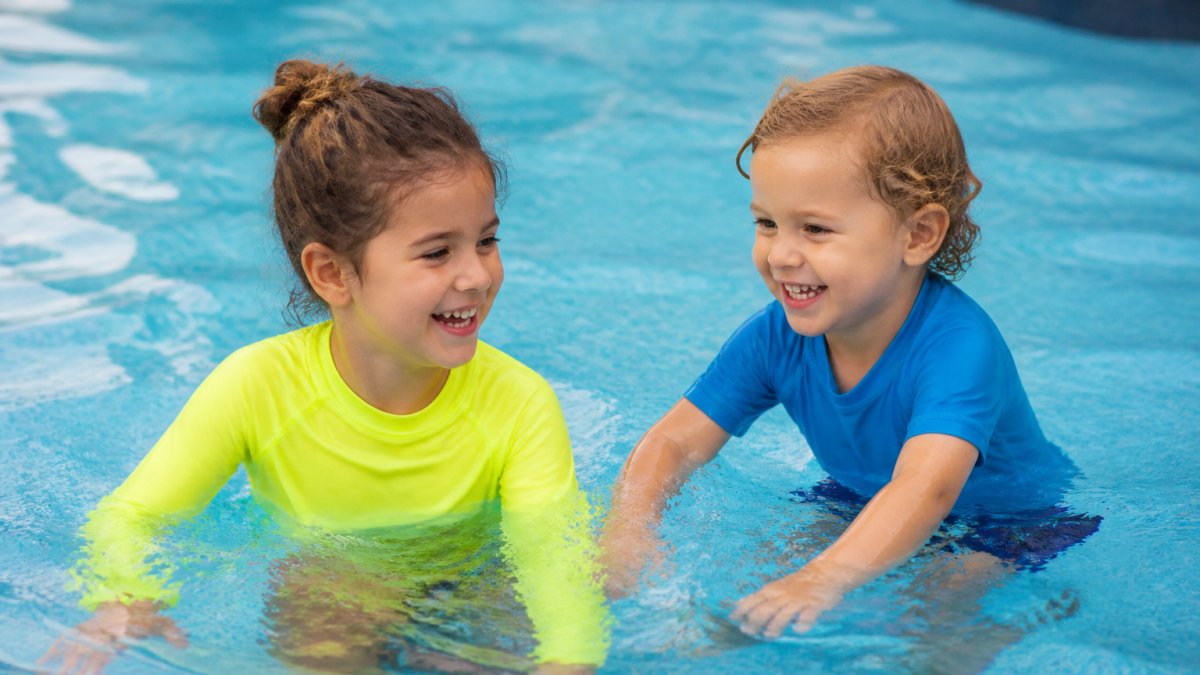
Toddlers (Ages 2-4): Maximum Coverage and Comfort
Toddlers have delicate skin, so prioritize protection over preference.
For toddlers, choose UPF 30 or higher in a long-sleeve rash guard or full-coverage swim set. Long sleeves protect shoulders and upper arms, areas that burn quickly and are hard to reach with sunscreen.
Choose quick-drying, lightweight fabrics that won't feel heavy or restrictive as toddlers move between water and dry time.
A well-fitting suit should be snug enough to stay in place but not so tight it causes discomfort. True-to-size fits work best for toddlers.
Preschoolers and Early Elementary (Ages 5-7): Balance Protection with Mobility
Kids ages 5-7 are more active, spend longer in water, and develop preferences about clothing. Their skin is more resilient than toddler skin but still vulnerable to sun damage.
For ages 5-7, UPF 30 is sufficient for typical summer activities, though UPF 50+ is ideal for several hours daily in direct sun or fair skin. Short-sleeve rash guards offer easier movement while protecting the torso.
Short sleeves require sunscreen on arms and shoulders; long sleeves provide more complete protection but some kids find them restrictive.
A suit your child loves and will wear beats a "perfect" suit they resist. Bright colors help them feel excited about wearing it and make them easier to spot.
Choosing UPF Clothing for Swimming and Water Activities
UV rays reflect off water surfaces and penetrate below the surface, so your child isn't fully protected just by being in the water.
Rash Guards, Long Sleeves, and Coverage Options
Rash guards are your most versatile option, designed for water sports in quick-drying fabric that stays in place during active swimming.
Long sleeves extend protection to shoulders and upper arms, the areas that burn most easily. For serious water time, long sleeves are worth the slight trade-off in mobility.
Full-coverage swim sets pair a rash guard top with swim bottoms, providing protection from neck to knees. This works especially well for toddlers and all-day beach outings.
Boys Long Sleeve Rash Guard Swim Set — High-Visibility & UPF 30+ Protection →
How Wet Fabric, Stretching, and Wear Affect UPF Protection
UPF ratings can change over time. Wet fabric maintains its UPF rating, but repeated washing and wear gradually reduce protection.
Chlorine and salt water break down fabric fibers. Each wash slightly degrades the material. A suit that protected 98% of rays when new might protect 95% after a full season of regular use.
Suits used heavily throughout summer provide somewhat less protection by season's end. Rotate between multiple suits to extend their protective lifespan.
To maintain UPF protection longer: rinse in fresh water after each swim, hand wash in cool water, air dry, avoid wringing, and store in a cool, dry place.
Fabric Weight, Weave, and Material: What Affects Real Protection
Not all fabrics offer the same UPF protection, even if they carry the same rating. Understanding what makes a fabric effective at blocking UV rays helps you choose suits that will actually protect your child.
Tightly woven fabric blocks more UV rays than loosely woven fabric. A premium rash guard with dense weaving offers better protection than a cheaper suit with loose construction, even if both carry a UPF 30 label.
Heavier fabrics block more UV, but can feel hot and uncomfortable in warm water.
Synthetic fabrics like nylon and polyester are standard in UPF-rated swimwear because they naturally block UV rays well.
Darker and bright neon colors block UV better than pale pastels, which is why high-visibility swimwear often offers excellent UV protection.
Fit, Comfort, and Getting Kids to Actually Wear UPF Clothing
The best UPF rating means nothing if your child won't wear the suit. Comfort and fit are just as important as the protection level.
A well-fitting suit should be snug enough to stay in place but not so tight it restricts movement.
Quality rash guards have smooth, flat seams that won't chafe delicate skin, and fully lined bottoms prevent uncomfortable clinging when wet.
Breathable, quick-drying fabric keeps your child comfortable between water sessions. A heavy, slow-drying suit feels cold and clammy, which makes kids resist wearing it.
The sensory experience matters, especially for kids who are sensitive to textures or clothing fit. Some children need looser fits. Others prefer snug clothing. Some dislike seams.
For many families, high-visibility colors provide an unexpected benefit: kids feel excited about wearing bright, bold colors.
Verifying UPF Claims and Maintaining Protection Over Time
Not all UPF claims are equal. Some manufacturers test rigorously. Others make claims without proper testing.
Look for suits that reference testing standards. In the United States, UPF-rated swimwear should meet the standards established by the American Society for Testing and Materials (ASTM).
Check product descriptions carefully. Legitimate UPF claims will specify the rating clearly: "UPF 30," "UPF 50+," or similar.
Brand reputation matters. Established swimwear companies with a focus on safety typically test their products thoroughly.
As mentioned earlier, protection gradually decreases with use. A suit rated UPF 50+ when new will provide somewhat less protection after a full summer of regular swimming and washing.
For maximum protection over time, rotate between multiple suits if your child swims regularly. This reduces wear on any single suit and extends the lifespan of your protection investment.
Choosing the right UPF rating for your child combines understanding protection levels with knowing your child's specific needs. Shop our collection of best sellers to find the right UPF-rated suit for your child's age and activity level.
Frequently Asked Questions
What UPF rating is best for kids?
UPF 50+ offers the strongest protection, blocking 98% of UV rays, making it ideal for extended outdoor water activities and children with fair or sensitive skin. For shorter swim sessions or casual pool time, UPF 30+ provides solid protection by blocking 97% of UV rays. The best choice depends on your child's skin type, how long they'll be in the sun, and the intensity of UV exposure. Fair-skinned children and those spending several hours outdoors benefit most from UPF 50+.
What does UPF 50+ mean in kids' clothing?
UPF 50+ means the fabric blocks 98% or more of ultraviolet rays. The rating measures how much UV radiation passes through the material to reach your child's skin. A UPF 50+ garment allows only 1-2% of UV rays to penetrate, compared to unprotected skin that receives 100% of rays. This high protection is especially valuable during peak sun hours (10 a.m. to 4 p.m.) and for water activities where reflection intensifies UV exposure.
How is UPF different from SPF?
UPF (Ultraviolet Protection Factor) rates clothing, while SPF (Sun Protection Factor) rates sunscreen. Both measure UV blocking, but UPF clothing provides continuous protection without reapplication, whereas SPF 30 sunscreen requires reapplication every 2 hours, especially after swimming. UPF-rated garments like rash guards and long sleeves are ideal for water activities because they maintain protection even when wet, whereas sunscreen washes off in water. Combining both UPF clothing and SPF 30+ sunscreen on exposed areas offers the strongest defense.
Does wet or stretched clothing affect UPF protection?
Yes, both factors can reduce UPF effectiveness. Wet fabric may allow slightly more UV transmission than dry fabric, though quality UPF clothing maintains most protection when wet. Stretched fabric, from growth, movement, or wear, creates gaps and thinner areas that let more UV rays through. To maintain full protection, ensure your child's UPF garment fits snugly without being restrictive, replace suits as they outgrow them, and inspect for visible wear or damage before each season. Proper care and fit preserve the rated protection level.