

How to Wash UPF Clothing Properly
Table of Contents
- Why Proper Care Matters for UPF Clothing
- Best Detergent for UPF Clothing
- Washing Steps: Water Temperature and Cycle Selection
- How to Remove Sunscreen Stains from Swimwear
- Drying Your UPF Clothing: Line Dry vs. Machine Dry
- How Long Does UPF Clothing Last with Proper Care
- Storage and Seasonal Care Tips
- Conclusion
Last Updated: August 25, 2026
Why Proper Care Matters for UPF Clothing
UPF (ultraviolet protection factor) clothing is engineered to block harmful sun rays, but its protective properties depend entirely on how you care for it after each wear. When you wash UPF clothing improperly, you risk degrading the fibers that create that sun-blocking weave, reducing its effectiveness over time. This is especially important for families who invest in high-visibility swimwear designed to keep children safe and visible in the water.

The synthetic fibers used in UPF garments are delicate. Harsh detergents, hot water, and aggressive drying can weaken the chemical treatment applied to the fabric, which is what gives the garment its sun-protective properties (the CDC).
The good news is that proper care is straightforward. By following a few key steps, you'll extend the life of your UPF clothing and maintain its protective qualities season after season. Below, we'll show you exactly how to wash UPF clothing properly so your investment continues to protect your family.
Best Detergent for UPF Clothing
The detergent you choose makes a significant difference in preserving UPF protection. Mild detergents are essential because they clean without stripping away the protective coating on synthetic fibers. Harsh chemicals and bleach break down the fibers themselves, which means your swimsuit becomes less effective at blocking UV rays with every wash.
Look for detergents labeled as gentle, mild, or specifically designed for delicate fabrics. Many families successfully use baby detergent or specialty sports-gear cleaners that are formulated to be gentle on technical apparel. Avoid any product containing bleach, optical brighteners, or heavy perfumes, these ingredients accelerate fiber degradation and can fade the vibrant colors that make high-visibility swimwear effective.
When washing by hand or in a machine, use only a small amount of detergent. A quarter of the recommended dose is typically sufficient for a single swimsuit or rash guard. Excess soap residue can build up in the fibers and weaken them over time. Some families find that rinsing an extra time after washing helps remove all detergent traces, which is worth the effort for long-term durability.
If you're dealing with stubborn stains or chlorine odor, soak the garment in mild detergent and cold water for 30 minutes before washing rather than using stronger chemicals. This approach respects the fabric while still addressing the problem. Fabric softeners should always be avoided, they coat synthetic fibers and reduce their water-repellent and UV-blocking properties.
Washing Steps: Water Temperature and Cycle Selection
Washing UPF clothing properly starts with understanding why temperature and cycle type matter so much. The synthetic blends used in sun-protective garments are sensitive to heat, which can cause fiber degradation and permanent loss of elasticity. Cold water is your best friend when you wash UPF clothing (the FTC).
Cold Water Wash for Maximum Protection
Cold water washing is non-negotiable for preserving UPF protection. Cold water prevents the fibers from loosening and helps maintain the integrity of the chemical treatment applied to the fabric. Fill your sink or washing machine with cold water, aim for around 60 degrees Fahrenheit or colder.
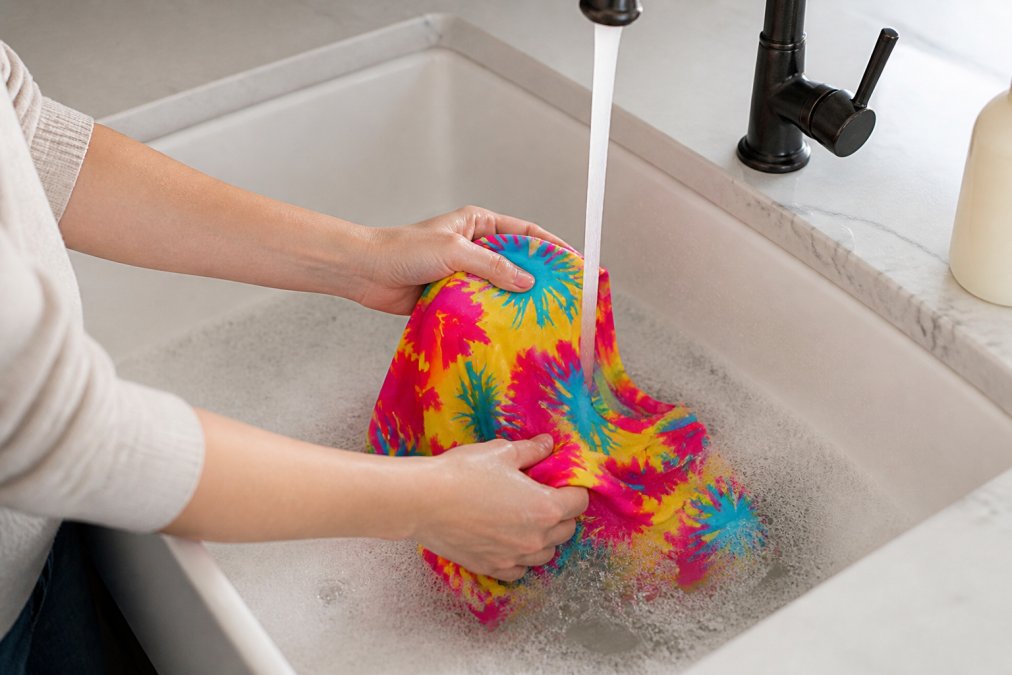
Hand washing in cold water is the gentlest option, especially for expensive or heavily used pieces. Fill a basin with cold water, add a small amount of mild detergent, submerge your rash guard or swimsuit, and gently agitate the water with your hands for 2-3 minutes. Pay special attention to areas that contact skin frequently, like the underarms and waistband, but avoid scrubbing or wringing the fabric.
If you use a washing machine, select the cold water setting explicitly. Some machines have a "delicate" or "hand wash" cycle option that pairs cold water with gentle agitation, this is ideal. Never use warm or hot water, even for heavily stained items, because heat accelerates the breakdown of the synthetic fibers and weakens the UV-blocking properties.
Delicate Cycle vs. Standard Wash
Your washing machine cycle selection directly impacts how long your UPF clothing lasts. A delicate cycle uses slower spin speeds and shorter wash times, which means less mechanical stress on the fibers. If your machine offers a delicate, hand wash, or gentle cycle, use it exclusively for UPF garments.
Standard or heavy-duty cycles are too aggressive for sun-protective clothing. These cycles use faster spin speeds and longer agitation times, which can cause pilling, stretching, and fiber separation. Even if your suit looks sturdy, the protective coating on the fibers is being damaged with each standard-cycle wash.
Many families find it helpful to wash UPF clothing separately from regular laundry. This ensures you won't accidentally toss a rash guard into a regular load and damage it with inappropriate cycle settings. Grouping all your family's UPF items together also makes it easier to use the correct water temperature and detergent dose consistently.
If your washing machine doesn't have a delicate cycle, hand washing is the safer choice. It takes a few extra minutes but guarantees the best outcome for preserving your investment in protective swimwear.
How to Remove Sunscreen Stains from Swimwear
Sunscreen stains are common on UPF clothing, especially when children wear their swimsuits all day at the beach or pool. The challenge is removing these stains without using harsh chemicals that damage the protective fibers. The key is addressing stains promptly and using gentle techniques.
For fresh sunscreen stains, rinse the garment immediately under cold water. Many sunscreen residues rinse away with water alone if you act quickly. Gently rub the stained area with your fingers while rinsing, avoid scrubbing or using a brush, which can damage the delicate synthetic weave.
If rinsing doesn't fully remove the stain, create a paste using cold water and a small amount of mild detergent. Apply the paste directly to the stain and let it sit for 15-20 minutes. Then gently work the paste into the fabric with your fingers, using circular motions rather than scrubbing. Rinse thoroughly under cold water until all soap residue is gone. washing performance fabrics.
For stubborn or older sunscreen stains, try soaking the garment in cold water with mild detergent for 1-2 hours before washing. This gives the detergent time to break down the sunscreen without requiring aggressive scrubbing. Avoid using vinegar, baking soda, or oxygen-based stain removers on UPF clothing, as these can affect the protective coating.
Never use hot water or bleach to remove sunscreen stains, even if the stain seems permanent. These approaches will damage the garment far more than the stain itself. Patience and cold water are your most effective tools for stain removal that preserves your swimwear's protective properties.
Drying Your UPF Clothing: Line Dry vs. Machine Dry
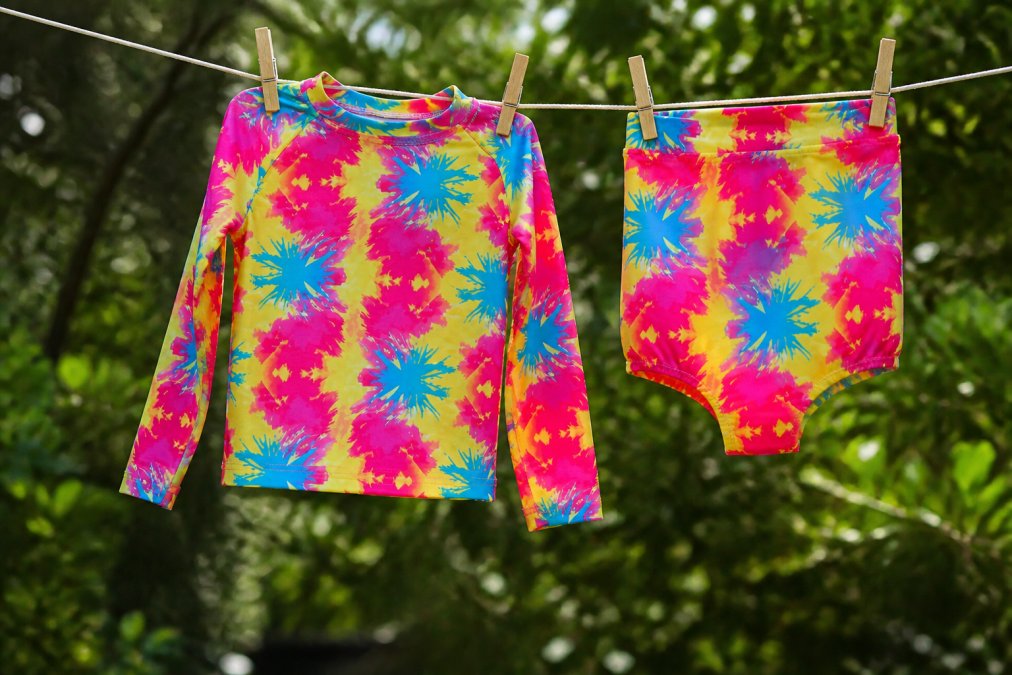
How you dry your UPF clothing is just as important as how you wash it. Heat damages synthetic fibers and accelerates the breakdown of the UV-blocking chemical treatment. Line drying (also called air drying) is the best method for preserving your swimwear's lifespan and protective qualities.
Hang your wet rash guard or swimsuit on a clothesline, drying rack, or even a clean towel rack indoors. Make sure the garment is in a well-ventilated area. Outdoor line drying is ideal if you have the option, fresh air circulation speeds up the drying process. Avoid direct sunlight for extended periods during the hottest part of the day, as UV exposure can fade the vibrant colors that make high-visibility swimwear effective for spotting children in the water.

If you must use a dryer, select the lowest heat setting available, typically labeled "air dry" or "low heat." Even low heat can gradually damage synthetic fibers, so reserve machine drying for situations where air drying isn't practical. Never use high heat or medium heat settings on UPF clothing.
Many families find that line drying actually saves time once you establish the habit. Swimsuits dry quickly in a well-ventilated space, often within a few hours on a warm day. The garment emerges with no wrinkles, no heat damage, and full protective capacity intact. This is especially important for families who wash their children's high-visibility swimwear frequently during summer months.
Avoid using a clothes dryer sheet or fabric softener in the dryer. These products coat the fibers and reduce their water-repellent and UV-blocking properties. If you're concerned about static, simply shake out the garment before hanging it to dry.
How Long Does UPF Clothing Last with Proper Care
The lifespan of UPF clothing depends heavily on washing and care practices. When you wash UPF clothing improperly, you might see noticeable loss of protection within one season. With proper care, quality sun-protective garments can maintain their effectiveness for multiple years.
Most manufacturers design UPF clothing to maintain its sun-protective properties through 50-100 wash cycles when cared for correctly (peer-reviewed research). This translates to roughly 1-2 seasons of regular summer use for a family with young children. However, the actual lifespan varies based on how frequently you wash the garment and whether you follow proper care guidelines.
Threadbare areas and visible wear are signs that the garment is approaching the end of its protective life. Once synthetic fibers become thin or transparent, they can no longer block UV radiation effectively. At this point, it's time to retire the suit and invest in a replacement. High-visibility swimwear from Bright & Bold Swimwear is designed to last through multiple seasons when cared for properly, making it a sound investment for families who prioritize sun safety and visibility in the water.
Proper storage during off-season months also extends garment lifespan. Store dry UPF clothing in a cool, dark place away from direct sunlight. Avoid storing damp garments, which can develop mildew and permanently damage the fibers. A breathable storage bag or drawer is ideal, plastic bags trap moisture and can degrade the fabric over time.
Storage and Seasonal Care Tips
Off-season storage significantly impacts how well your UPF clothing performs when you bring it out the following summer. The way you store your swimwear during winter months determines whether it emerges ready to protect or weakened and faded.
Before storing any UPF garment, make sure it's completely dry. Moisture trapped in the fibers can lead to mildew growth, which is difficult to remove without damaging the protective coating. Wash and air dry your swimwear thoroughly, then let it sit for an extra day in a well-ventilated space to ensure complete dryness.
Store UPF clothing in a cool, dark location. Direct sunlight during storage accelerates fading of the vibrant colors and can degrade the UV-blocking properties. A bedroom closet, linen closet, or storage drawer works well. Avoid basements or attics where temperature and humidity fluctuate dramatically, as these conditions stress the synthetic fibers.
Fold garments loosely rather than cramping them into tight spaces. Prolonged compression can weaken elastic and cause permanent creasing. If space allows, lay items flat in a drawer. If you must fold, refold every few months during storage to prevent permanent crease lines.
Keep UPF clothing away from harsh chemicals, perfumes, and mothballs during storage. These substances can interact with the protective coating and reduce effectiveness. A breathable cotton storage bag provides protection from dust while allowing air circulation. Never store in plastic bags, which trap moisture.
Before the new season begins, wash your stored UPF clothing in cold water with mild detergent before wearing it again. This removes any dust or storage residue and refreshes the garment. Inspect for any damage, fading, or signs of wear. If the fabric shows significant threadbare areas or the colors have faded substantially, it may be time to invest in replacement pieces.
Keeping your family safe in the water means investing in high-visibility swimwear that works, and then protecting that investment through proper care. When you wash UPF clothing correctly using cold water, mild detergent, and air drying, you're not just extending the life of the garment. You're maintaining the protective properties that keep your children visible and protected from harmful UV radiation season after season.
Bright & Bold Swimwear's high-visibility rash guards and swimsuits are engineered to last, but their effectiveness depends on how you care for them. Our product care guides include specific washing instructions for each style. Start with proper care today, and your family's protective swimwear will be ready to keep your children safe and visible all summer long. Shop our Best Sellers and discover why families trust Bright & Bold Swimwear for both safety and style.
Frequently Asked Questions
Q: Does UPF protection wash out of clothing over time?
A: UPF protection does not wash out completely, but it can degrade with improper care. The ultraviolet protection factor is built into the synthetic fibers themselves through chemical treatment or the weave structure, making it permanent. However, repeated washing in hot water, exposure to chlorine without rinsing, and use of harsh detergents or bleach can cause fiber degradation and reduce the garment's effectiveness. Proper washing with cold water and mild detergent helps maintain UV-blocking properties for years.
Q: Can you wash UPF clothing in the washing machine?
A: Yes, you can wash UPF clothing in the washing machine using the delicate cycle with cold water. Machine washing is convenient for regular maintenance, but avoid high heat and aggressive cycles that can damage synthetic fibers. Use a mild detergent free of bleach and fabric softener. For best results with technical apparel, turn garments inside out before washing and place them in a mesh laundry bag to reduce friction and fiber wear.
Q: What's the best detergent for UPF clothing?
A: Use a mild, bleach-free detergent specifically formulated for delicate fabrics or technical apparel. Look for detergents labeled as suitable for synthetic fibers and moisture-wicking materials. Avoid products containing bleach, optical brighteners, or heavy perfumes, as these break down the UV-blocking properties and cause discoloration. Gentle, pH-neutral detergents work best for preserving both the sun-protective weave and the vibrant colors that make high-visibility swimwear effective.
Q: Should I hang dry or machine dry my UPF rash guards?
A: Line drying or air drying is the best choice for UPF clothing. Hang garments in a shaded area to prevent additional sun exposure that can fade colors and weaken fibers. If you must use a dryer, select tumble dry low heat to minimize fiber degradation. High heat from machine drying can damage synthetic blends and reduce garment longevity. Air drying takes longer but significantly extends the lifespan of your sun-protective clothing and maintains its UV-blocking effectiveness.
This article was written using GrandRanker