

Is CPR Training Worth It for Parents: A 2026 Review
Table of Contents
- Why CPR Training Matters for Parents
- The Real Impact: How CPR Training Reduces Child Emergency Risk
- What You'll Learn: Core Skills and Techniques in CPR Certification
- Infant CPR Certification Requirements and Why They Differ
- Online vs In-Person CPR Classes: Which Format Works Best
- How Long Does CPR Certification Last and Skill Retention
- Building Confidence and Peace of Mind in Water Emergencies
- CPR Training as Part of Your Child's Complete Safety Plan
Last Updated: August 20, 2026
Why CPR Training Matters for Parents
CPR training equips parents with lifesaving skills that could make the difference in a water emergency, choking incident, or cardiac event involving your child. Parents who learn CPR gain confidence in high-stress situations, understand when to call emergency medical services, and know exactly what to do in those critical first minutes before help arrives.
For families who spend time near water, whether at public pools, beaches, or backyard pools, CPR certification becomes part of a comprehensive safety strategy alongside high-visibility swimwear and constant supervision. The real question isn't whether CPR training is worth it, it's whether you're willing to invest a few hours now to potentially save a life later.
At Bright & Bold Swimwear, we believe that layered safety, combining visible gear, swimming skills, and emergency preparedness, gives parents the tools they need to protect their children effectively.
The Real Impact: How CPR Training Reduces Child Emergency Risk
Cardiopulmonary resuscitation manually circulates blood and oxygen when someone's heart has stopped beating or breathing has ceased. In children, the most common causes of cardiac arrest are drowning, choking, and severe trauma, all scenarios where immediate CPR can mean the difference between recovery and permanent injury.
When a child stops breathing or their heart stops, brain damage begins within minutes. Emergency medical services typically arrive within 5-10 minutes in urban areas, longer in rural settings. During that window, CPR keeps oxygen flowing to the brain and vital organs. Parents trained in CPR can start life-saving interventions immediately, rather than waiting helplessly for paramedics.
Parents who complete CPR certification report feeling significantly more confident in water settings and around their children generally. This confidence translates into calmer decision-making during actual emergencies, a critical factor since panic impairs judgment and slows response time. You're building muscle memory and emotional resilience for the worst-case scenario.
For families with young children ages 2-7, who face elevated risk for water-related accidents and choking incidents, having CPR skills means you're not dependent on luck or proximity to trained responders. You become part of the emergency response chain yourself.
What You'll Learn: Core Skills and Techniques in CPR Certification
A CPR certification course teaches hands-on techniques that apply differently depending on the age of the child. The course typically covers three core competencies: recognizing cardiac arrest or respiratory distress, performing chest compressions with correct depth and rate, and delivering rescue breaths when appropriate.
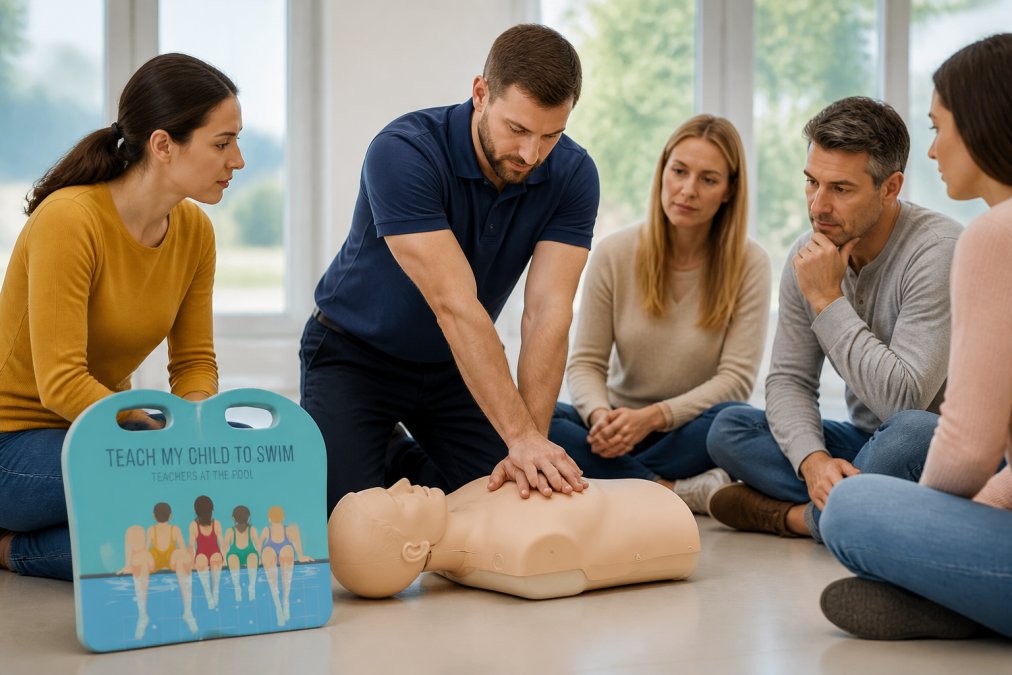
Chest compressions form the foundation of modern CPR. You'll learn to place the heel of one hand on the center of the chest and push hard and fast at a rate of 100-120 compressions per minute. Instructors teach you to use a metronome or song rhythm to maintain the correct pace, many people use the beat of "Stayin' Alive" or "Baby Shark" as a mental reference point. The goal is to compress the chest by at least 2 inches in children, creating enough force to circulate blood without breaking ribs.
For infants and very young children, the technique differs: you use two fingers for chest compressions and cover the nose and mouth with your mouth for rescue breaths. You'll also learn to recognize the signs of cardiac arrest, respiratory distress, and choking, when to call 911, how to position an unconscious person, and how to use an automated external defibrillator (AED) if one is available. Most courses include practice on CPR training manikins so you can develop the muscle memory and confidence needed to perform CPR under stress.
The entire certification process typically takes 3-4 hours for a standard course, though some programs offer shorter refresher sessions.
Infant CPR Certification Requirements and Why They Differ
Infant CPR differs significantly from child or adult CPR because infants have smaller bodies, softer bones, and different airway anatomy. For infant CPR, you use only two fingers to perform chest compressions on the lower half of the breastbone. The compression depth is approximately 1.5 inches, and the compression rate remains 100-120 compressions per minute. Rescue breaths for infants involve covering both the nose and mouth with your mouth, creating a seal and delivering gentle breaths.
Many infant CPR courses emphasize hands-only CPR for lay rescuers, particularly for parents who may feel uncomfortable with rescue breathing. Continuous chest compressions without rescue breaths have been shown to be effective for infants in cardiac arrest, especially when emergency medical services are en route.
The infant CPR certification requirement varies by state and institution. Some daycare centers, preschools, and swim schools require caregivers to hold current infant CPR certification. If you're hiring a nanny or leaving your child with a caregiver, verifying their CPR certification is a reasonable safety precaution.
Online vs In-Person CPR Classes: Which Format Works Best
In-person CPR classes remain the gold standard for certification because they include hands-on practice with training manikins and direct feedback from instructors. You learn proper hand placement, compression depth, and technique through physical practice. Instructors can correct your form in real time, ensuring you develop muscle memory correctly. Most importantly, in-person courses culminate in a practical skills test where you demonstrate competency before receiving certification.
Online CPR courses offer convenience and flexibility. You can complete the classroom portion on your schedule, learning the theory and recognition skills from home. However, most reputable online CPR programs require an in-person skills check or practical exam component. A hybrid model, a few hours of video instruction followed by a brief in-person evaluation, has become common.
Pure online certification without any hands-on component is generally not recognized by medical organizations or employers as valid CPR training. CPR is a physical skill that requires muscle memory and tactile feedback. Watching a video teaches you the concepts, but doesn't prepare your hands and body for the physical demands of actual CPR. essential baby gear.
For busy parents, the hybrid model offers a reasonable compromise. You complete the knowledge portion online at your own pace, then attend a 1-2 hour in-person session for skills practice and certification testing. This approach reduces the total time commitment while maintaining the hands-on practice that makes CPR training effective.
How Long Does CPR Certification Last and Skill Retention
CPR certification validity varies by organization and course type, but most standard certifications expire after two years. This timeline reflects research on skill retention: CPR skills deteriorate significantly within 6 months if not practiced, and substantially more by the two-year mark.
Some organizations, particularly healthcare providers, require annual CPR recertification. If you work in healthcare or childcare, check your employer's specific requirements. For parents maintaining CPR skills for personal use, the two-year certification cycle is standard.
Recertification courses are shorter than initial certification, typically 1-2 hours, because you're reviewing and practicing skills you've already learned rather than learning from scratch.
The real challenge with CPR certification isn't the expiration date; it's skill retention between certifications. Many parents complete certification and then don't think about CPR again until recertification time arrives. Addressing skill retention requires intentional practice. Some families schedule annual CPR refresher sessions with friends or family members, reviewing techniques together. Others watch CPR instructional videos periodically to refresh their memory. A few minutes of practice each year makes a substantial difference in maintaining competency and confidence.
Building Confidence and Peace of Mind in Water Emergencies
One of the most underestimated benefits of CPR training is the psychological shift it creates. Parents who complete CPR certification report significantly higher confidence levels in water settings and around their children generally. This confidence is grounded in actual knowledge and skill development.
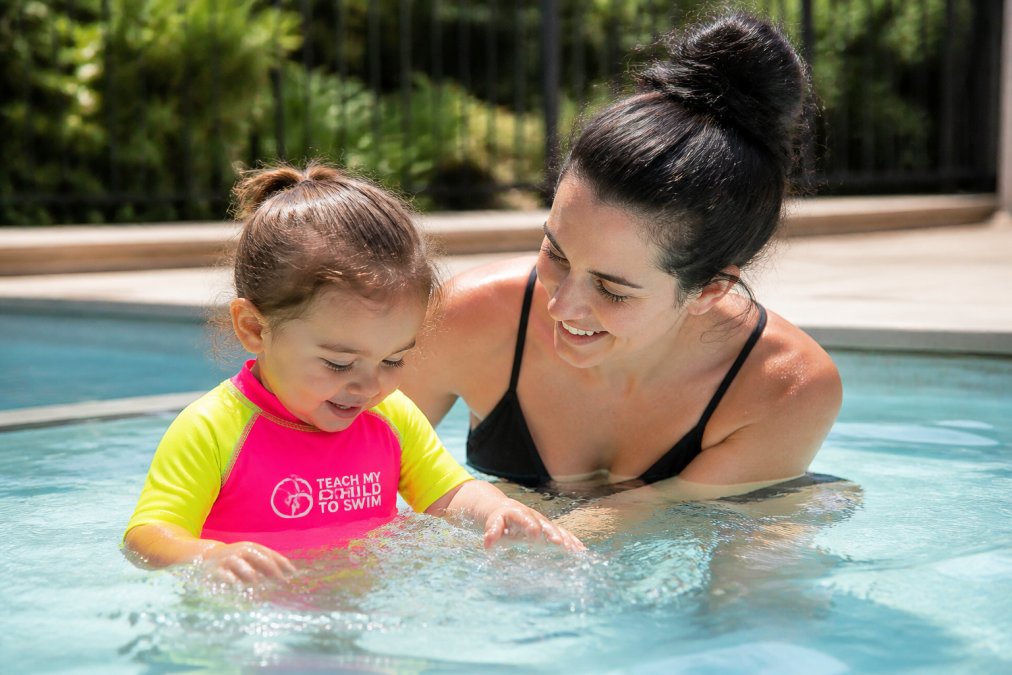
Water emergencies trigger intense fear responses in most parents. CPR training doesn't eliminate fear, it channels it into purposeful action. You know what to do. You've practiced it. Your hands know the compression rate. Your mind has a clear protocol to follow. This is what peace of mind actually means: not the absence of fear, but the presence of competence.
The confidence extends beyond water settings. Parents trained in CPR feel more capable in any emergency involving their children. A choking incident, a fall resulting in unconsciousness, or a sudden illness, you have a framework for response. You know when to call 911. You understand basic first aid principles.
Confident parents supervise more effectively because they're not paralyzed by fear. They make clearer decisions about risk and safety. They're more likely to enroll their children in swimming lessons and water activities because they feel equipped to handle emergencies. Rather than restricting their children's activities due to anxiety, they enable those activities with appropriate safeguards.
Combining CPR training with other safety measures amplifies this confidence. High-visibility swimwear like Bright & Bold Swimwear's collection ensures children remain easily spotted in water, reducing the risk of undetected submersion. CPR training provides the emergency response capability. Together, these create a comprehensive safety approach that lets parents feel genuinely prepared.
CPR Training as Part of Your Child's Complete Safety Plan
CPR training shouldn't exist in isolation. It's one component of a comprehensive child safety strategy that includes water safety skills, supervision protocols, emergency preparedness, and visible safety gear.
A complete child safety plan starts with swimming lessons and water competency. Children who understand water basics, floating, breath control, how to respond to water in their face, are significantly less likely to panic in water emergencies. CPR training complements swimming skills by providing the emergency response capability if something goes wrong despite prevention efforts.
Supervision is the foundation of water safety. Constant, attentive supervision prevents most water emergencies. Parents trained in CPR maintain this supervision more effectively because they feel confident and prepared.
Visible safety gear plays a critical role in prevention. High-visibility swimwear helps parents and lifeguards spot children quickly in water, reducing the risk of undetected submersion. Emergency preparedness includes knowing the location of AEDs in your community, having a plan for calling 911, and understanding basic first aid. Many CPR courses include AED training, teaching you how to use automated external defibrillators that can restore normal heart rhythm in cardiac arrest.
For families planning water activities, beach vacations, lake trips, and pool days, this comprehensive approach provides genuine security. You've invested in your child's swimming skills through lessons. You're using high-visibility swimwear to enhance visibility. You've completed CPR training to handle emergencies. You understand supervision best practices. This layered approach addresses the reality that accidents can happen despite prevention efforts.
The question of whether CPR training is worth it for parents ultimately comes down to your values and lifestyle. If you have young children, spend time near water, or simply want to feel more prepared for emergencies, the investment in CPR certification pays dividends in confidence and capability.
At Bright & Bold Swimwear, we believe that comprehensive child safety combines multiple approaches: visible gear that keeps children spotted, water skills training, parental CPR certification, and consistent supervision. When you combine CPR training with high-visibility swimwear and water safety practices, you're creating a genuine safety culture around your children's water activities. Get started with our collection of high-visibility swimsuits designed to keep your child visible and safe in the water, then pair that investment with CPR certification for complete peace of mind.
Frequently Asked Questions
Should parents get CPR certified?
Yes. CPR certification equips you with lifesaving skills that can make the difference in cardiac arrest, choking, or near-drowning situations. For parents of young children, certification provides emergency response capability when every second counts. Many parents report that completing CPR training gives them genuine peace of mind knowing they can act decisively in a crisis.
What are the infant CPR certification requirements for parents?
Infant CPR certification requirements typically include training in chest compressions using two fingers, rescue breaths adapted for smaller airways, and recognition of airway obstruction in babies under 1 year old. Most certification courses require hands-on practice with infant manikins and a written or practical assessment. Requirements may vary by certifying organization, but all emphasize the differences between infant, child, and adult CPR techniques.
Is it better to do CPR training online or in person?
In-person CPR classes are generally more effective for parents because they include hands-on practice with manikins, immediate feedback from instructors, and realistic scenario drills. Online courses can provide knowledge but lack the tactile experience needed to build muscle memory and confidence. Many parents combine online learning for theory with in-person sessions for skills practice to get the best of both approaches.
How long does CPR certification last for parents?
Most CPR certifications are valid for two years. After that, recertification is recommended to refresh your skills and stay current with any guideline changes. Regular practice between certifications helps maintain skill retention, even brief monthly refreshers using online resources or practice with a partner can keep your confidence high when certification renewal time arrives.
This article was written using GrandRanker