

7 Alternatives to Cotton Swim Shirts for Kids in 2026
Table of Contents
- Why Cotton Swim Shirts Fail Kids at the Pool
- The Dangers of Cotton in Pool Water
- What to Look For in Swim Shirts for Kids
- UPF 50+ Sun Protective Clothing for Toddlers: Why Rating Matters
- The Benefits of High-Visibility Swimwear for Water Safety
- Natural Fiber Alternatives: Merino Wool and Hemp
- Caring for Your Child's Swim Shirt So It Lasts
- Frequently Asked Questions
Last Updated: September 8, 2026
Why Cotton Swim Shirts Fail Kids at the Pool
Cotton is the default fabric for kids' clothing, so it feels natural to reach for a cotton tee at the pool. But standard cotton swim shirts for kids are among the least effective options for aquatic environments. Cotton absorbs water, becomes heavy, and offers almost no sun protection once wet. When you're looking for alternatives to standard cotton swim shirts for kids, the first step is understanding why cotton falls short.
At Bright & Bold Swimwear, we've spent years designing swimwear that keeps children safe and visible in the water. The right swim shirt for kids does more than cover skin; it maintains its protective properties in the water, dries quickly between activities, and helps parents maintain visual contact with their child.
Cotton fails on all these counts. A soaked cotton shirt clings to the body, restricts movement, and can cause chafing. It also stays wet for long periods, increasing the risk of skin irritation during extended pool sessions.
The Dangers of Cotton in Pool Water
Cotton in pool water creates problems many parents don't anticipate. The fabric absorbs chlorinated water and holds it against the skin, which can trigger irritation for children with sensitive skin. Beyond comfort, wet cotton provides negligible UV protection, giving parents a false sense of security about sun exposure.
The American Academy of Dermatology guidance on sun protection emphasizes that clothing is a primary defense against UV rays, but only when the fabric is designed for that purpose. A regular cotton t-shirt offers a UPF rating of roughly 5, meaning most UV radiation passes directly through to the skin. This is one of the most significant dangers of cotton in pool water: parents believe their child is protected when the garment is essentially useless against sun damage once wet.
Cotton also becomes heavy and saggy when saturated. For young children learning to swim, this added weight can interfere with buoyancy and movement. Quick-drying synthetic fabrics eliminate this problem entirely.
What to Look For in Swim Shirts for Kids
The best swim shirts for kids combine sun protection, quick-drying properties, and durability. Check the fiber content first. Look for fabrics made from nylon, polyester, or elastane blends engineered for aquatic use. These materials resist water absorption, dry rapidly, and maintain their shape through repeated exposure to chlorine and saltwater.
Fiber content matters more than brand when it comes to performance. A swim shirt made with chlorine-resistant fabric will outlast a cheaper option made from cotton blends. Double-stitched seams and reinforced hems prevent fraying when kids pull shirts on and off repeatedly.
Consider the fit as well. A second-skin fit reduces drag in the water and prevents the shirt from riding up during active play. Many parents prefer a slightly snugger fit because loose fabric can bunch up and cause discomfort. Our boys swimsuits and girls swimsuits collections feature rash guards designed with this principle in mind.
Beyond Fit: Sensory-Friendly Features for Every Child
For many children, especially those who are neurodivergent or have sensory processing differences, the feel of a swim shirt is just as important as its fit. A garment that is technically perfect on paper can be a source of distress if it feels wrong on the skin.
- Tagless Designs: A scratchy tag at the neck is a common irritant. Look for shirts with printed labels or no tags at all. This simple feature can prevent a significant amount of discomfort and distraction.
- Flat-Lock Seams: Traditional raised seams can rub and chafe, especially under the arms and around the torso. Flat-lock seams lie flush against the skin, minimizing friction and creating a smoother, more comfortable feel. This is a key feature for children with tactile sensitivities.
- Compression Levels: Some children find a snug, supportive fit calming and secure, while others may feel restricted and overwhelmed by it. Consider your child's preference. Many brands offer different levels of compression, from relaxed to performance fits, allowing you to choose what feels best.
- Fabric Texture: The interior texture of the fabric matters. While most synthetic rash guards are smooth, some have a more pronounced knit or weave. If possible, let your child feel the fabric before you buy. A smooth, silky texture is often the most universally accepted.
UPF 50+ Sun Protective Clothing for Toddlers: Why Rating Matters
UPF 50+ sun protective clothing for toddlers represents the gold standard in sun safety. The UPF rating measures how much UV radiation penetrates the fabric. A UPF 50+ garment blocks approximately 98% of UV rays, making it the highest rating available for clothing.
The Skin Cancer Foundation recommendations on UPF clothing states that UPF 50+ fabrics offer excellent protection and are recommended for extended outdoor activities. This protection remains effective whether the garment is wet or dry, which is critical for swimwear. Many parents assume all clothing offers similar sun protection, but the difference between a cotton shirt and a UPF-rated rash guard is substantial.
UPF 30+ vs. UPF 50+: What the Numbers Mean
UPF 30+ blocks about 96.7% of UV radiation, while UPF 50+ blocks approximately 98%. The difference seems small numerically, but it matters for children with fair skin or those spending extended time outdoors.
For most families, UPF 30+ swim shirts for kids provide sufficient protection for typical pool sessions and beach days. The rating remains effective after repeated washing and chlorine exposure, provided the fabric is cared for properly. What matters most is choosing a garment with a verified UPF rating rather than relying on fabric thickness or color.
The Benefits of High-Visibility Swimwear for Water Safety
High-visibility swimwear serves a dual purpose: sun protection and drowning prevention. Bright neon colors stand out against the blues and greens of pool water, lake surfaces, and ocean environments, helping parents and lifeguards maintain visual contact with children even in crowded settings.
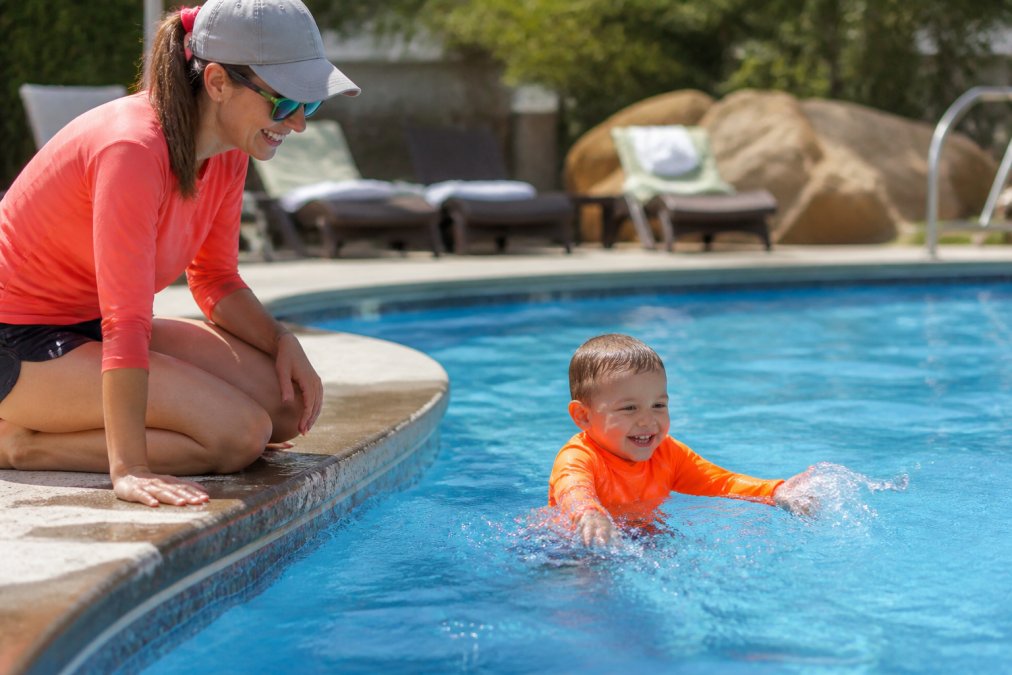
The National Drowning Prevention Alliance emphasizes that supervision is the first line of defense against drowning. High-visibility swimwear supports this by making children easier to track with the eyes. When a child wears muted colors that blend with the water, even attentive parents can lose sight of them. sustainable kids clothing.
Traditional swimwear in blues, greens, and dark colors disappears beneath the surface. This is why our entire collection at Bright & Bold Swimwear uses intentional neon colorways. The American Academy of Pediatrics water safety guidelines recommend maintaining constant visual contact with young children in the water, and high-visibility clothing makes that practical.
Natural Fiber Alternatives: Merino Wool and Hemp
For families seeking non-synthetic options, merino wool and organic hemp offer surprising performance in the water. Merino wool is naturally moisture-wicking, temperature-regulating, and odor-resistant. Unlike cotton, merino retains some insulating properties when wet, making it viable for cooler swim days.
Organic hemp is another biodegradable alternative that outperforms cotton in aquatic settings. Hemp dries faster than cotton, resists mold and mildew, and becomes softer with each wash. It also provides better UV protection than cotton due to its denser weave.
These natural fibers work best for children with dermatological sensitivities who react to synthetic fabrics. Merino wool is naturally hypoallergenic and gentle on sensitive skin. However, both options cost more than synthetic blends and may not offer the same chlorine resistance. For children who spend most of their swim time in pools, synthetic rash guards remain the more practical choice.
The Care and Maintenance Difference
Choosing a natural fiber swim shirt is only the first step; the real difference lies in how you care for it. The maintenance routine for merino and hemp is distinct from synthetics and is critical for preventing mold, shrinkage, and fiber breakdown.
- Merino Wool: While merino is odor-resistant, it still needs proper washing to remove chlorine and salt. Most practitioners find that a gentle wool wash or a mild baby shampoo is best. Avoid agitators and hot water, which can felt the fibers. After rinsing, gently press out excess water in a towel and lay flat to dry, away from direct heat. Never wring it out, as this can distort the garment's shape.
- Organic Hemp: Hemp is more robust than merino but still requires a gentle cycle. Use cold water and a mild, plant-based detergent. Hemp is prone to shrinking if dried on high heat, so it's best to hang it to dry in the shade. While hemp is naturally mold-resistant, leaving it damp in a bag can still lead to mildew, so ensure it is fully dry before storing.
A Note on Chlorine Resistance
Natural fibers are not as resistant to chlorine as synthetics. Chlorine can weaken the fibers of merino and hemp over time, leading to a shorter lifespan in a heavily chlorinated pool. While they are excellent for lake, river, and ocean swims, frequent pool use may degrade these fabrics faster than a polyester or nylon blend. To extend their life, a thorough rinse in fresh water immediately after pool use is non-negotiable.
Caring for Your Child's Swim Shirt So It Lasts
Proper care extends the life of any swim shirt and maintains its protective properties. Rinse the garment in cold fresh water immediately after each use to remove chlorine, salt, and sunscreen residue. These substances break down elastic fibers over time, causing the fabric to lose its shape and UPF rating.
Wash swim shirts in cold water with a gentle detergent, then hang them to dry away from direct sunlight. Avoid the dryer entirely, as high heat damages elastane and other stretch fibers. Never use bleach or fabric softeners, which reduce moisture-wicking capabilities.
A common mistake is leaving swim shirts bunched up in a pool bag for days. This traps moisture against the fabric, promoting mildew growth and accelerating fiber breakdown. Rinse and hang the shirt to dry as soon as you get home. With proper care, a quality rash guard can last through multiple seasons.
Frequently Asked Questions
What is the best material for a swim shirt?
For pool and beach days, quick-drying synthetics like polyester or nylon blends with elastane are the most practical choice. They dry fast, resist chlorine damage, and hold their shape. If you prefer natural fibers, merino wool or hemp blends offer breathability and odor resistance, though they cost more and need gentler care.
Why are cotton shirts not allowed in pools?
Cotton is a heavy absorbent fabric that soaks up pool water, becoming cold, heavy, and uncomfortable. Wet cotton also loses its shape and can chafe sensitive skin. Many swim schools ban cotton shirts because they drag kids down and make swimming harder. Pool chemicals also degrade cotton fibers faster than synthetic swimwear, so a cotton shirt wears out quickly.
What does UPF 50+ mean for children's swimwear?
UPF stands for Ultraviolet Protection Factor. A UPF 50+ rating means the fabric blocks about 98% of the sun's UVA and UVB rays. For toddlers with sensitive skin, UPF-rated swim shirts are a smart addition to sunscreen. Unlike regular clothing, UPF swimwear is tested to maintain its protection even when wet, giving you reliable coverage during long pool days.
How do high-visibility swimsuits improve water safety?
High-visibility swimwear uses bright neon colors that stand out against the blues and greens of pools, lakes, and oceans. These colors help parents and lifeguards spot a child in the water faster, which is critical during the seconds that matter in an emergency. While no swimsuit replaces active supervision, high-visibility colors give you an extra tool to keep track of your child in crowded environments.